147 Days of Dust
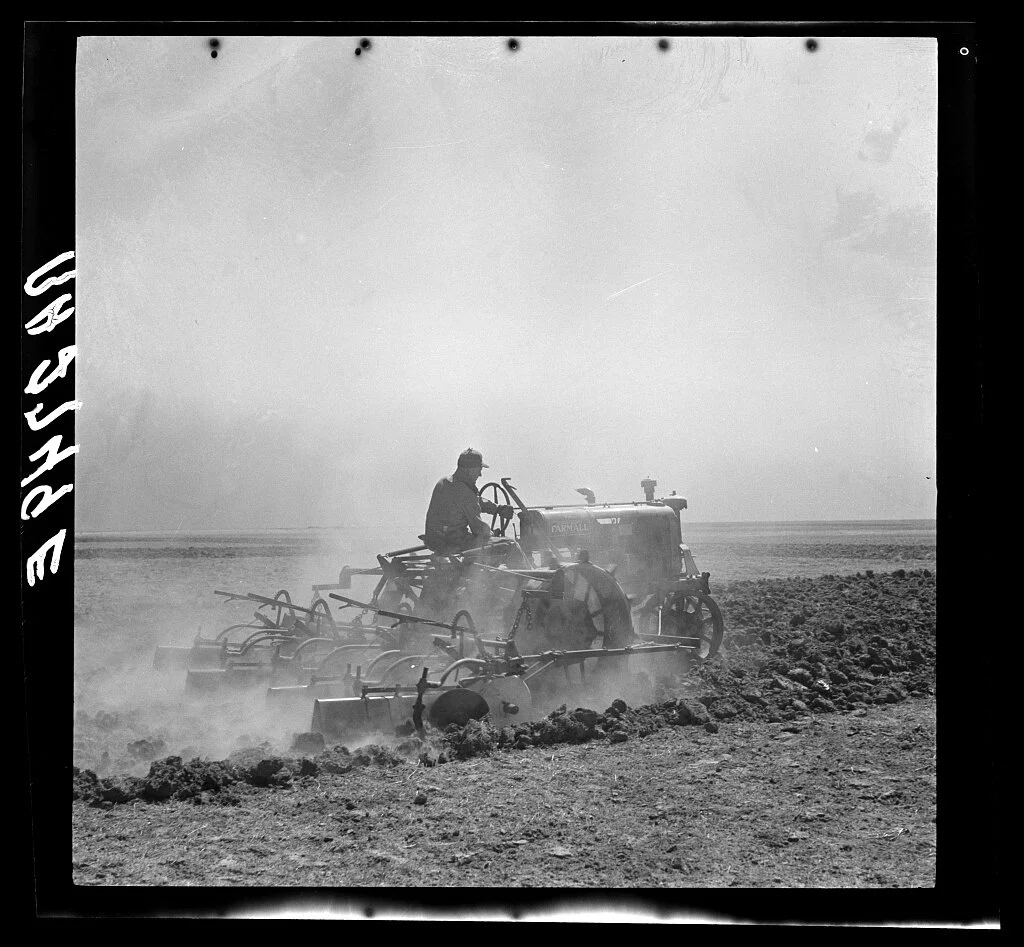
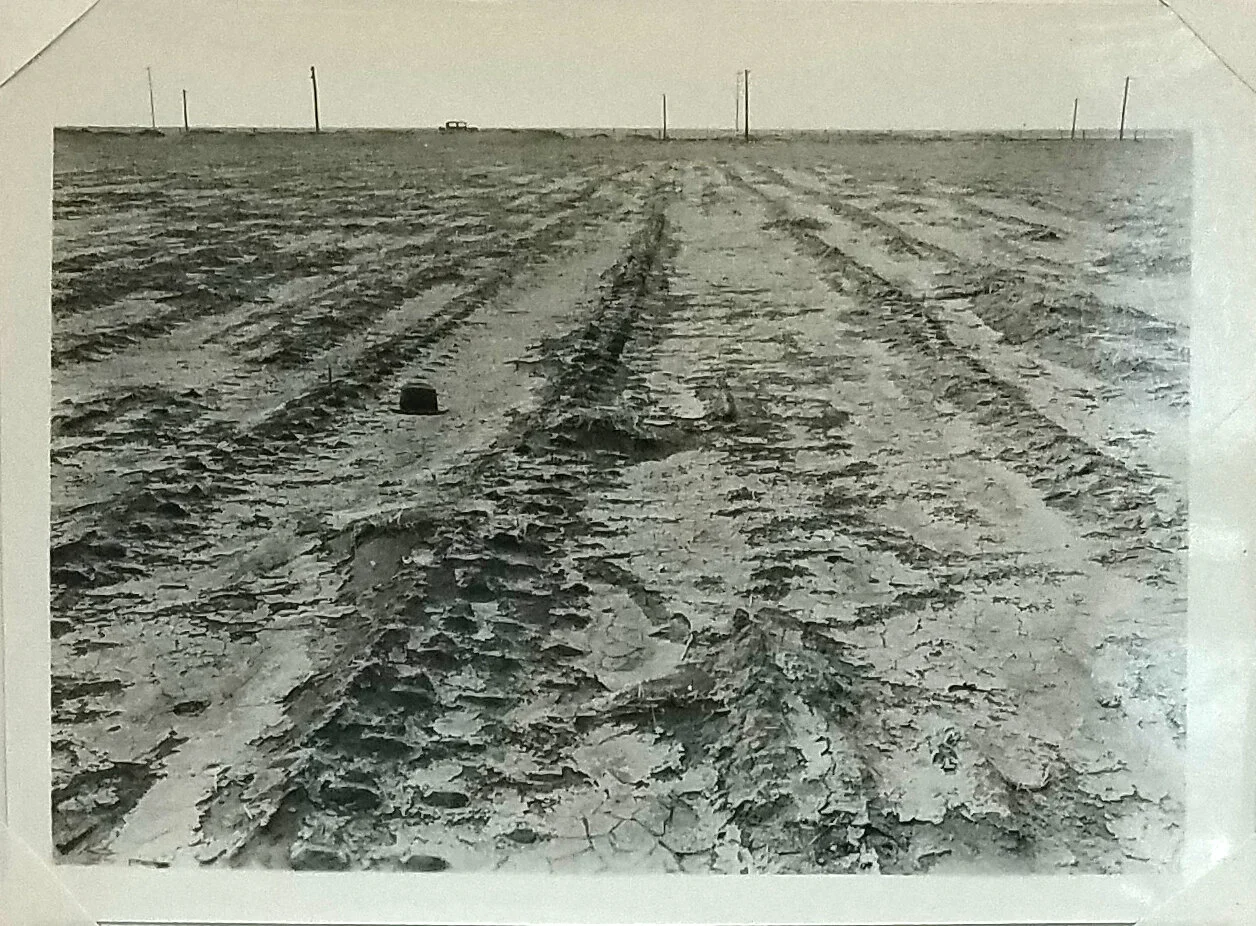
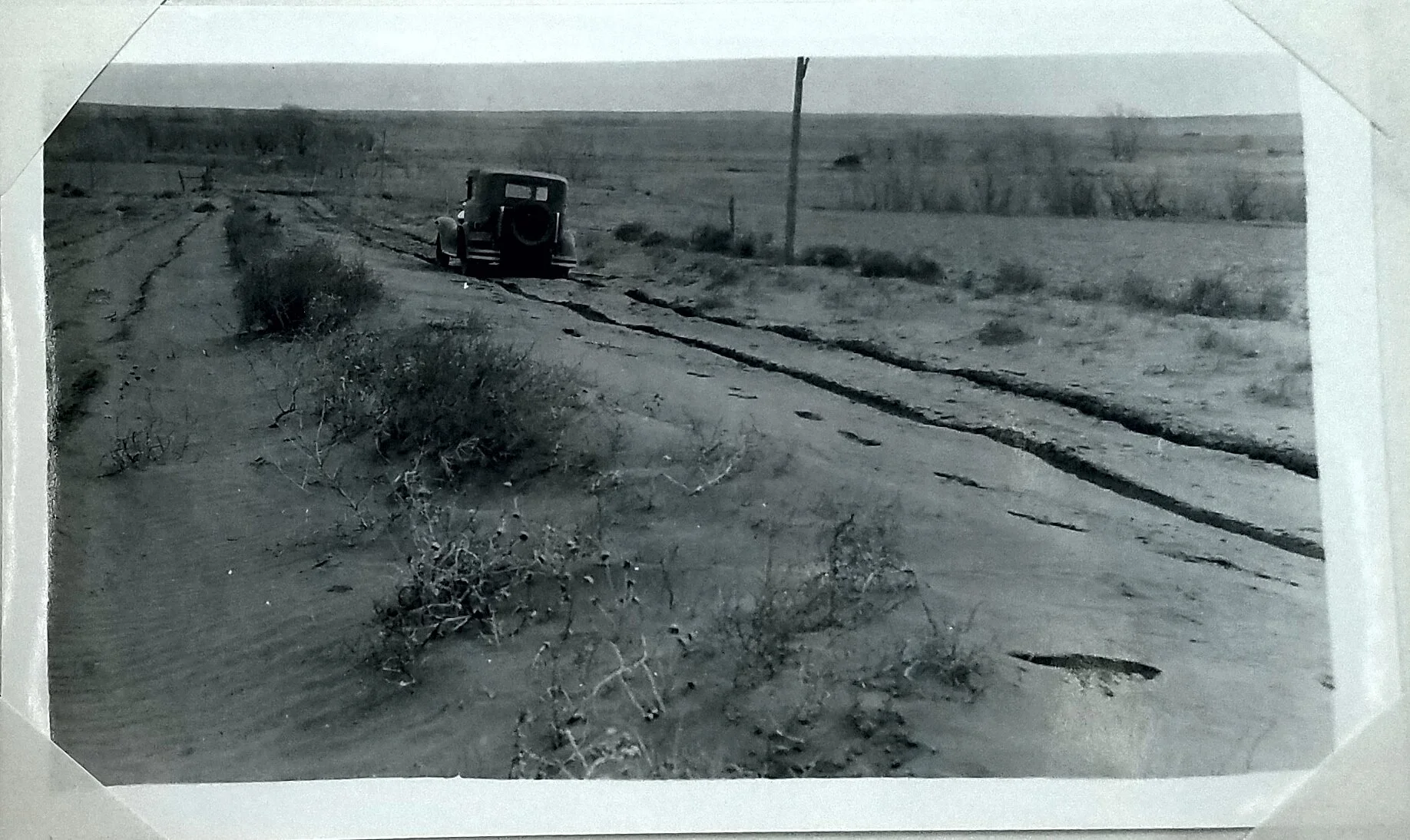
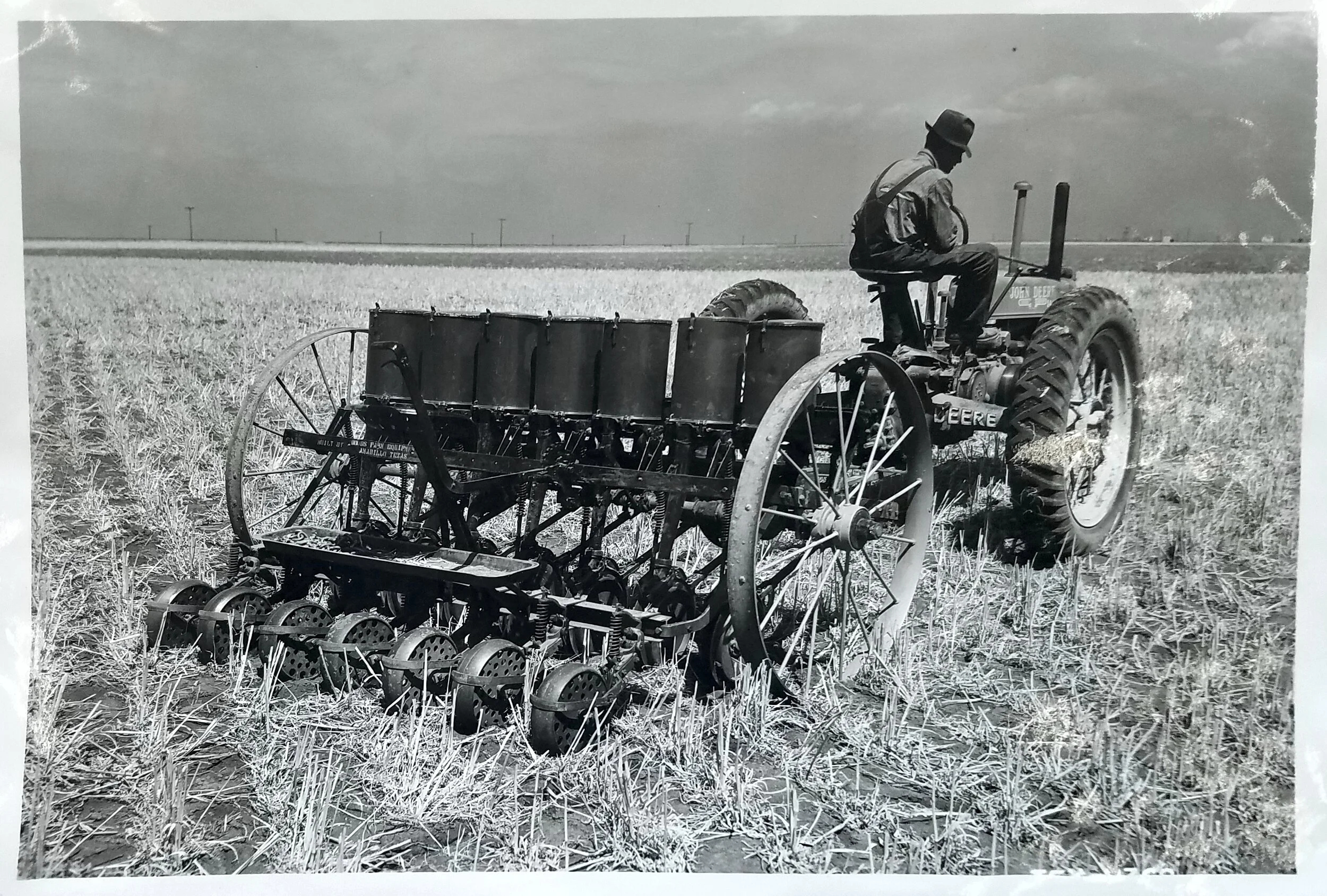
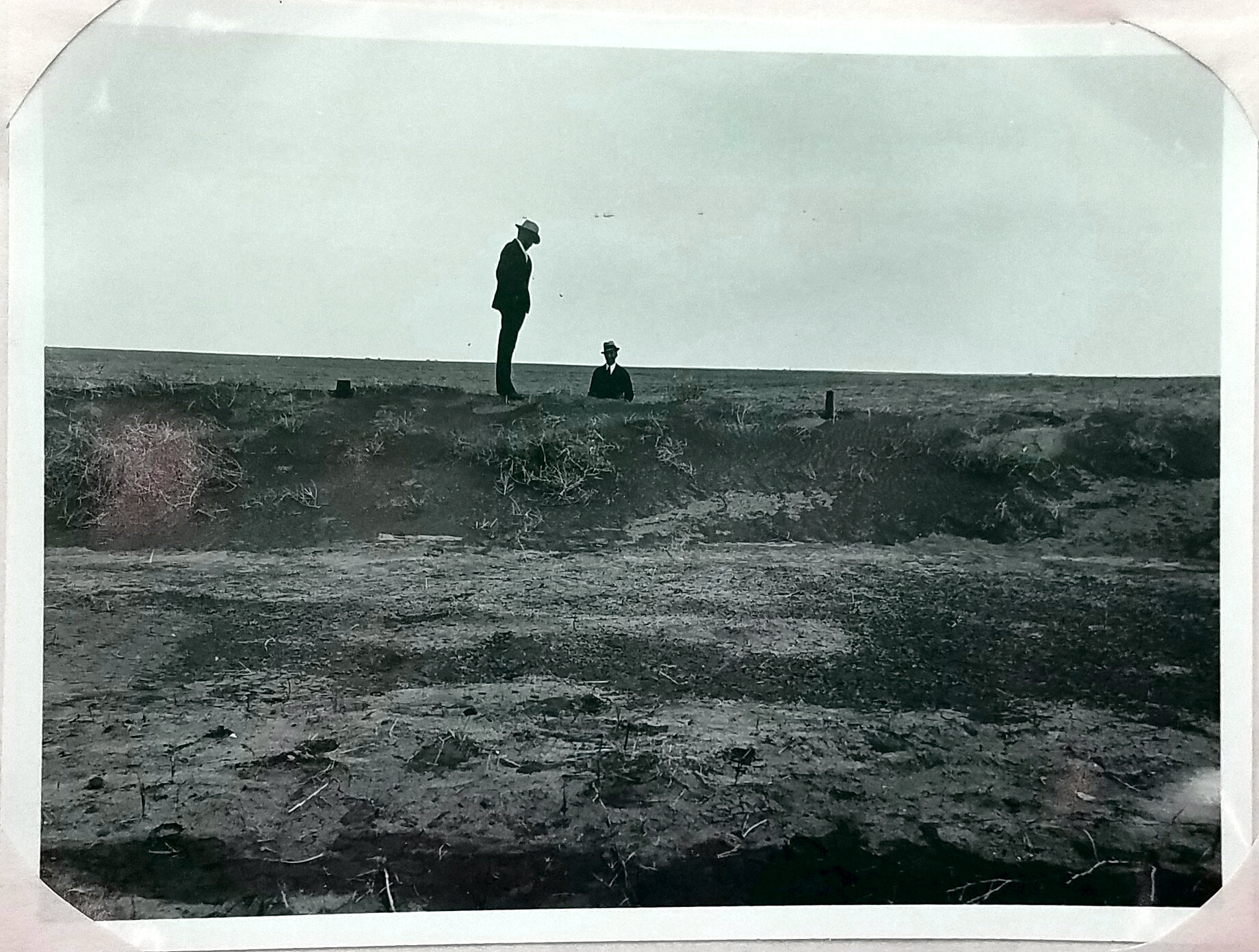
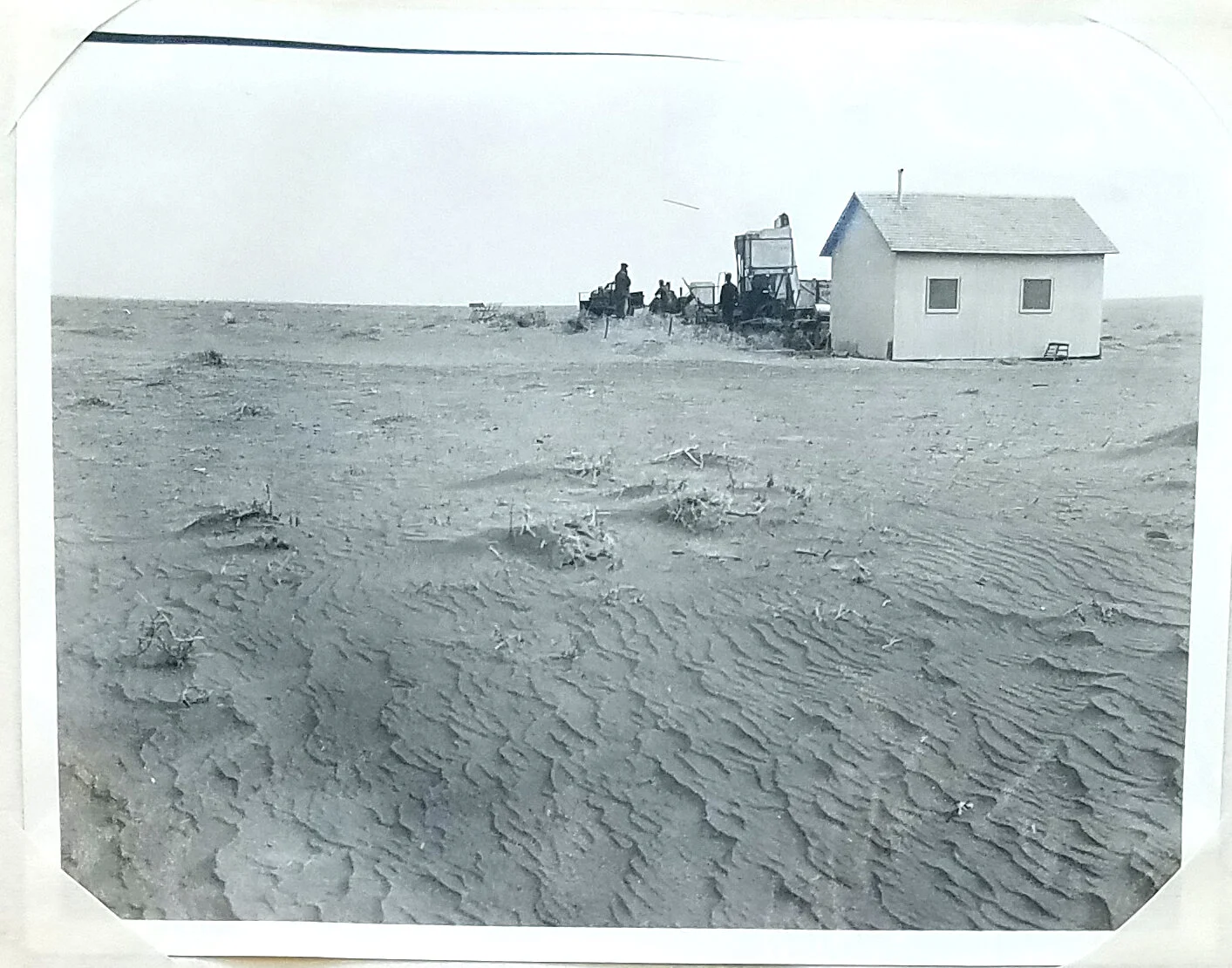
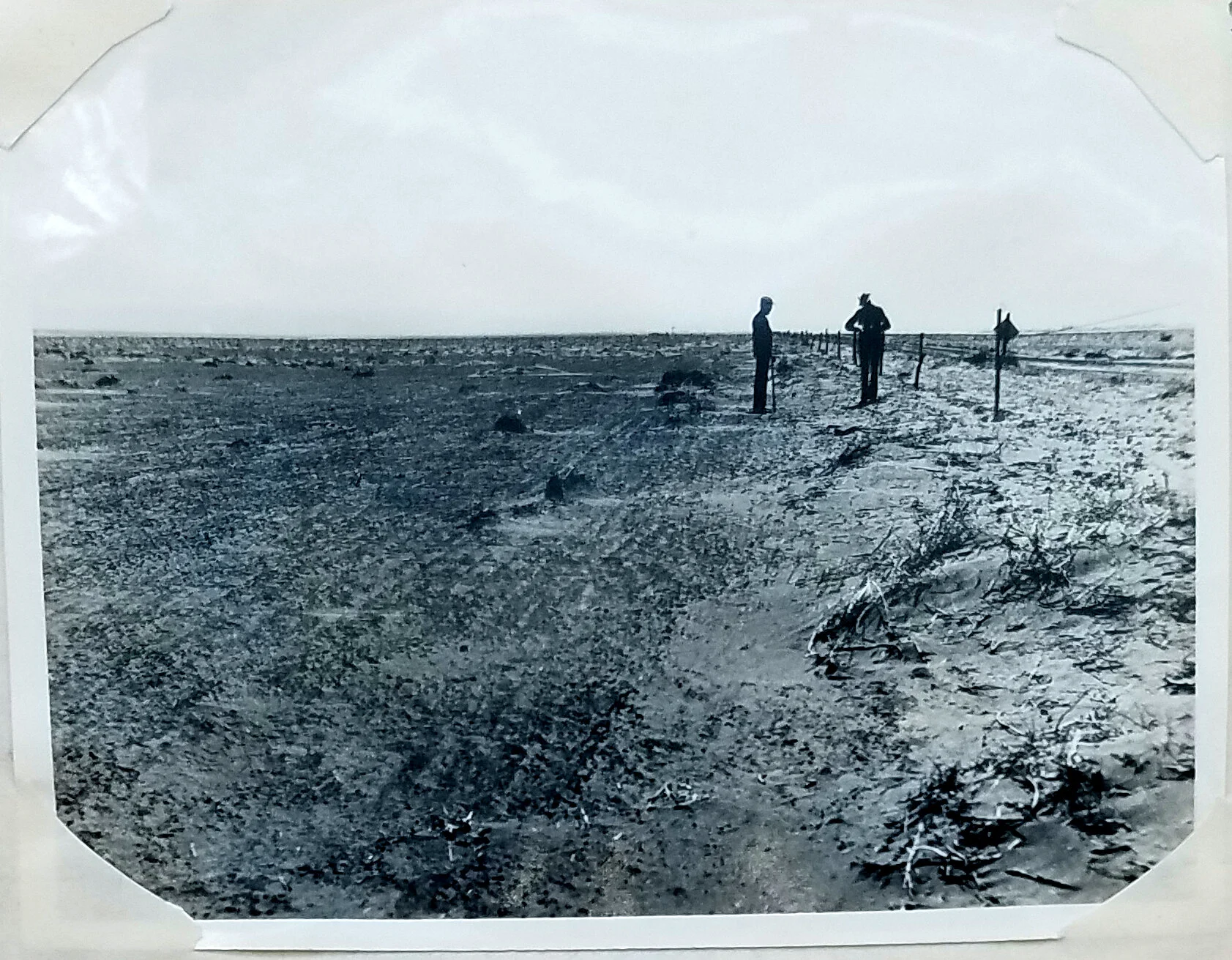
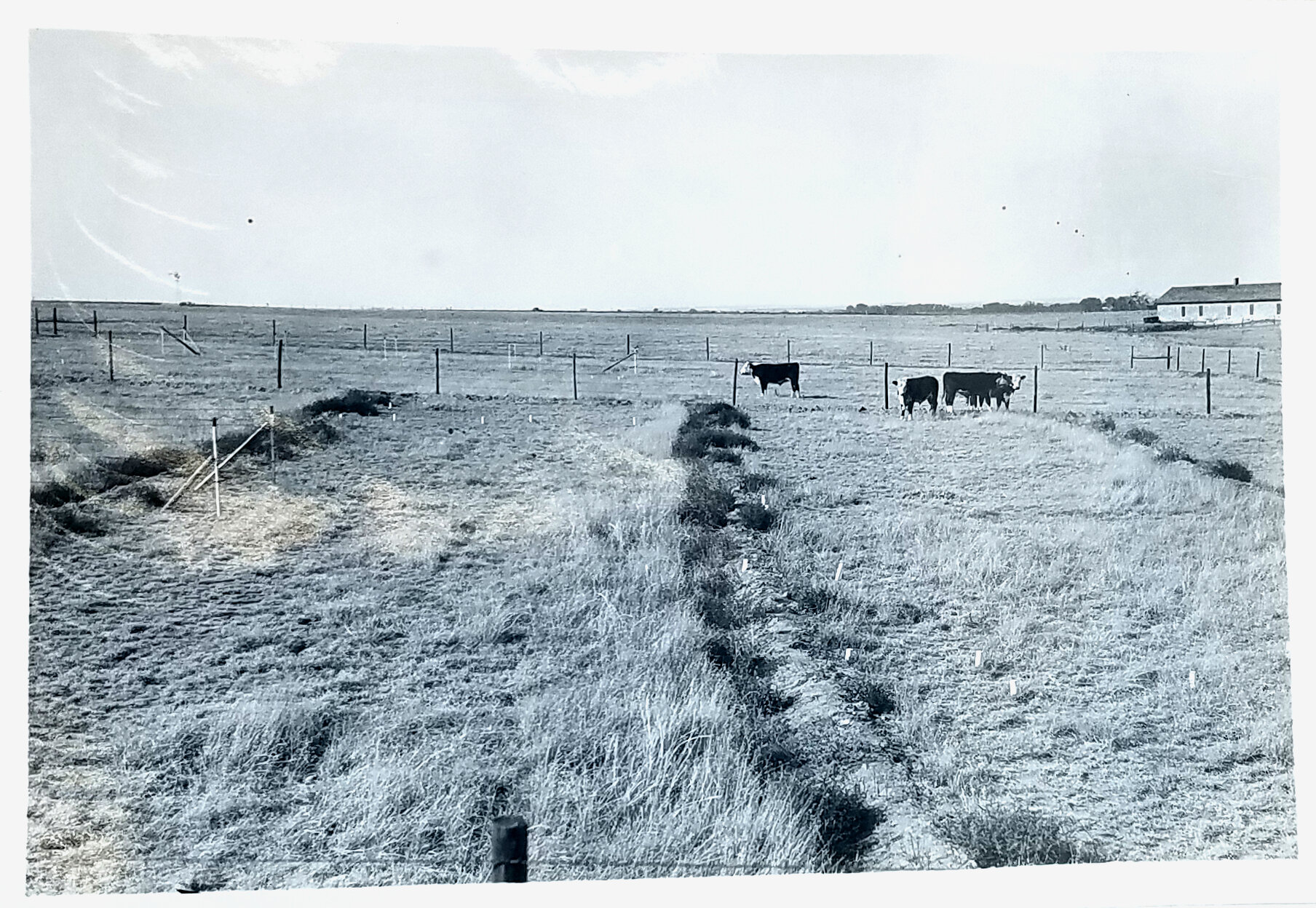
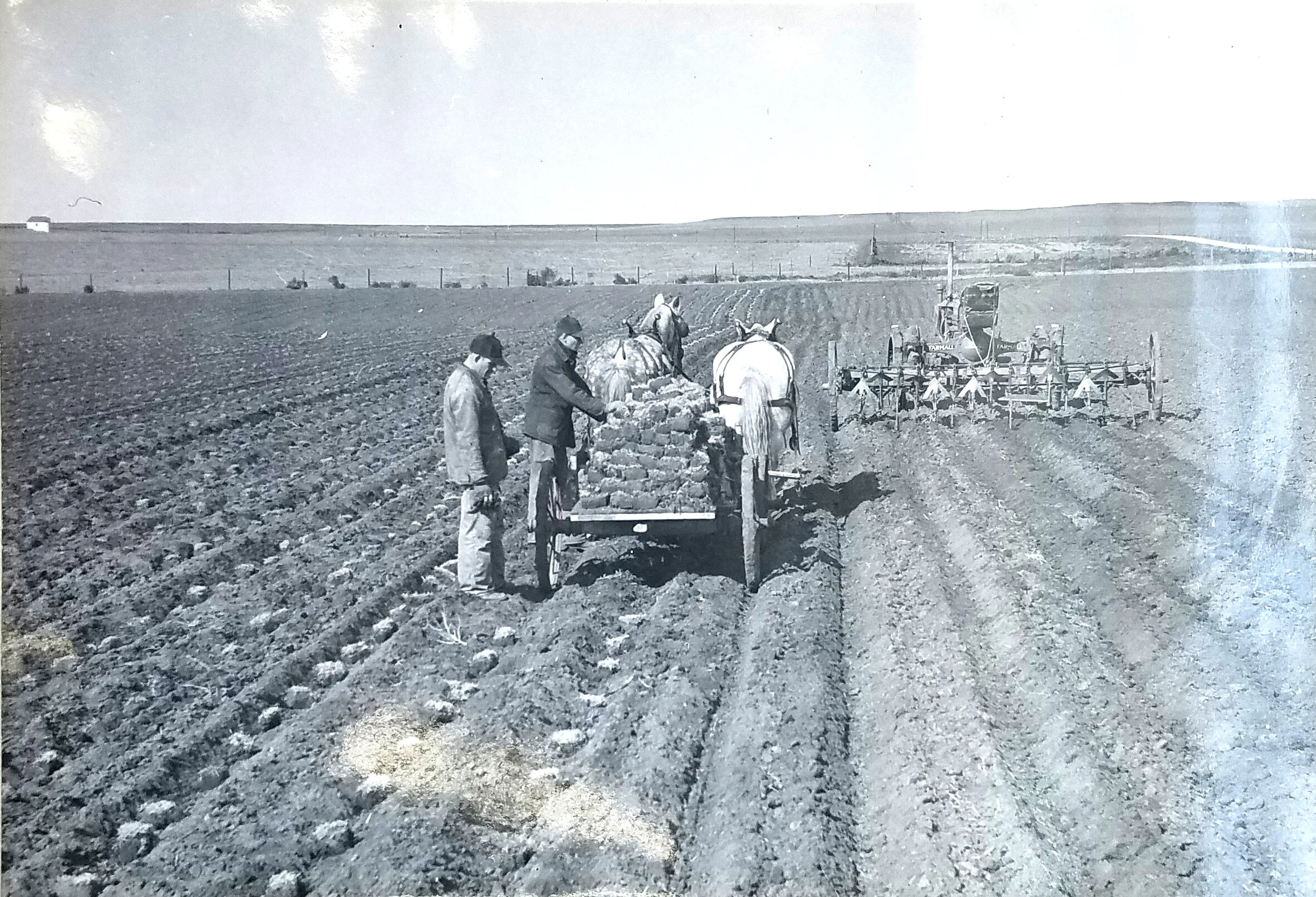
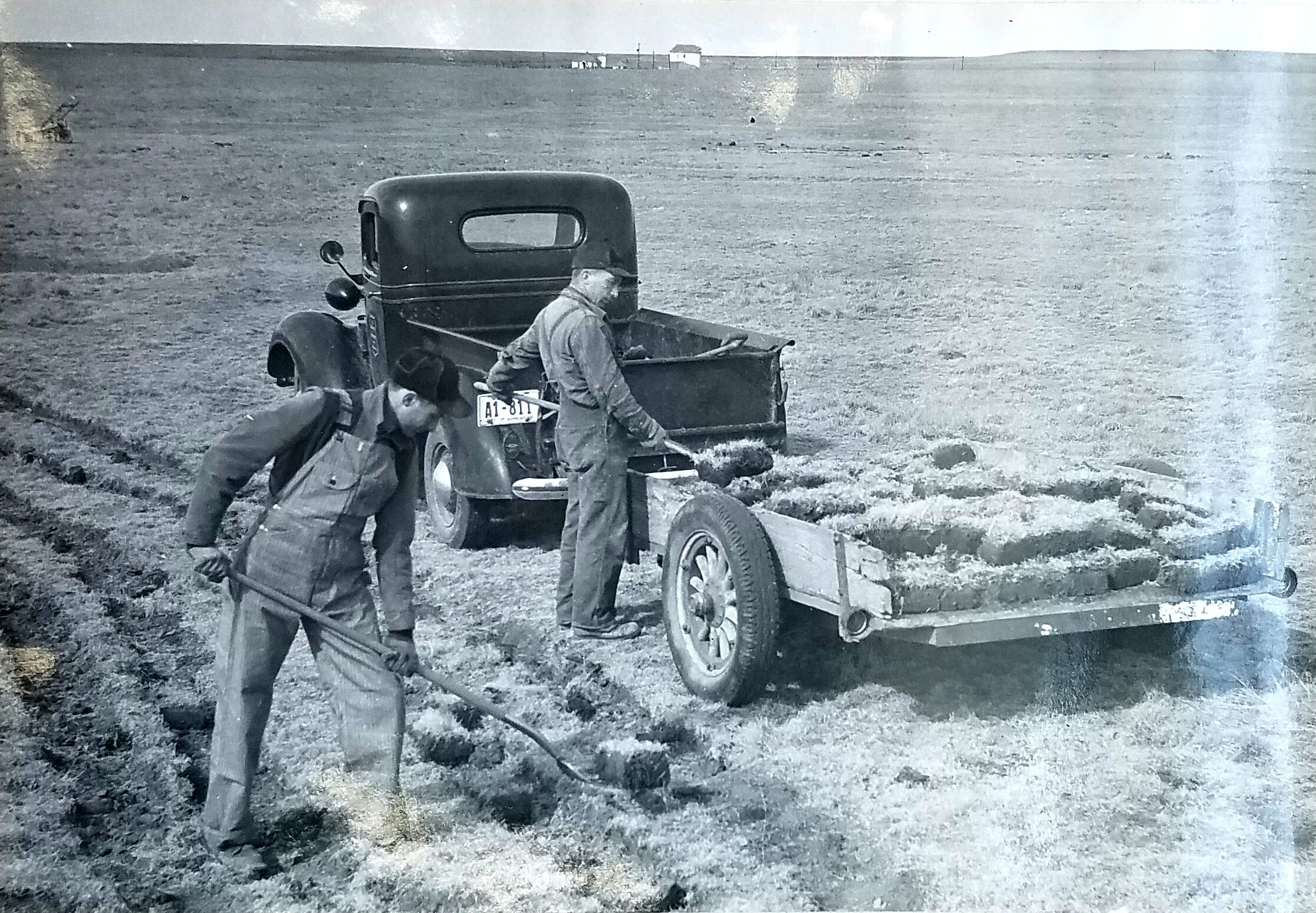
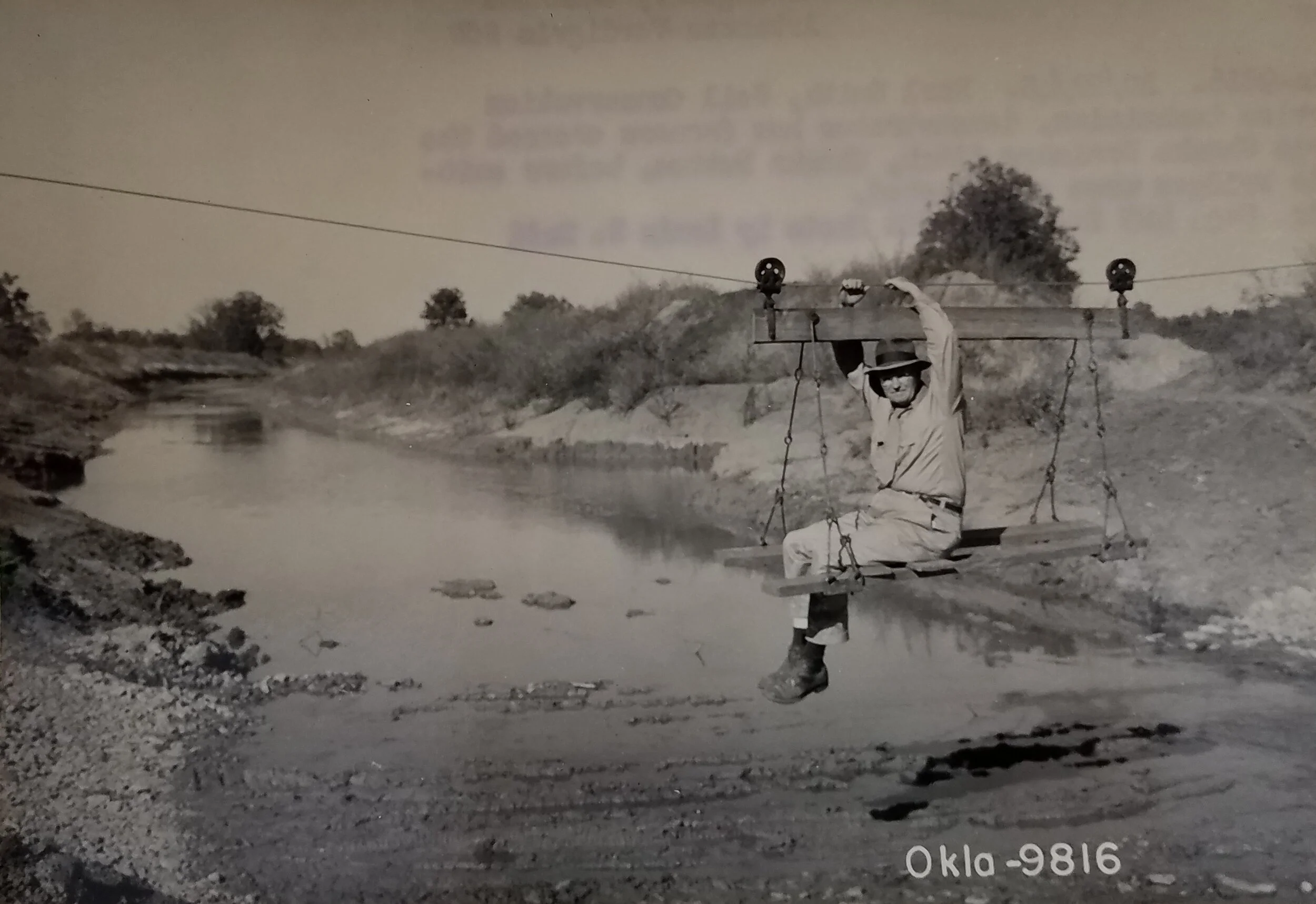
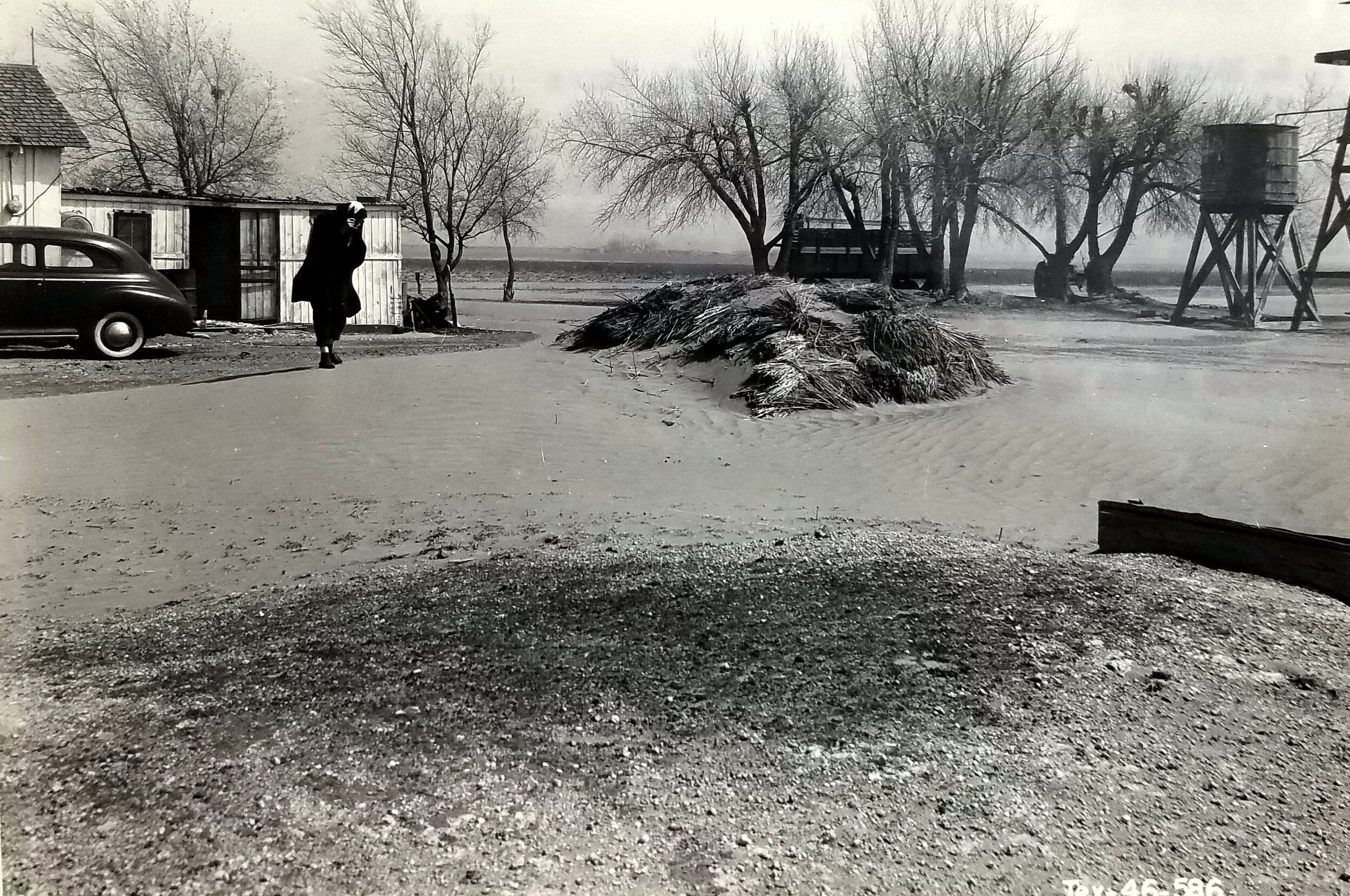
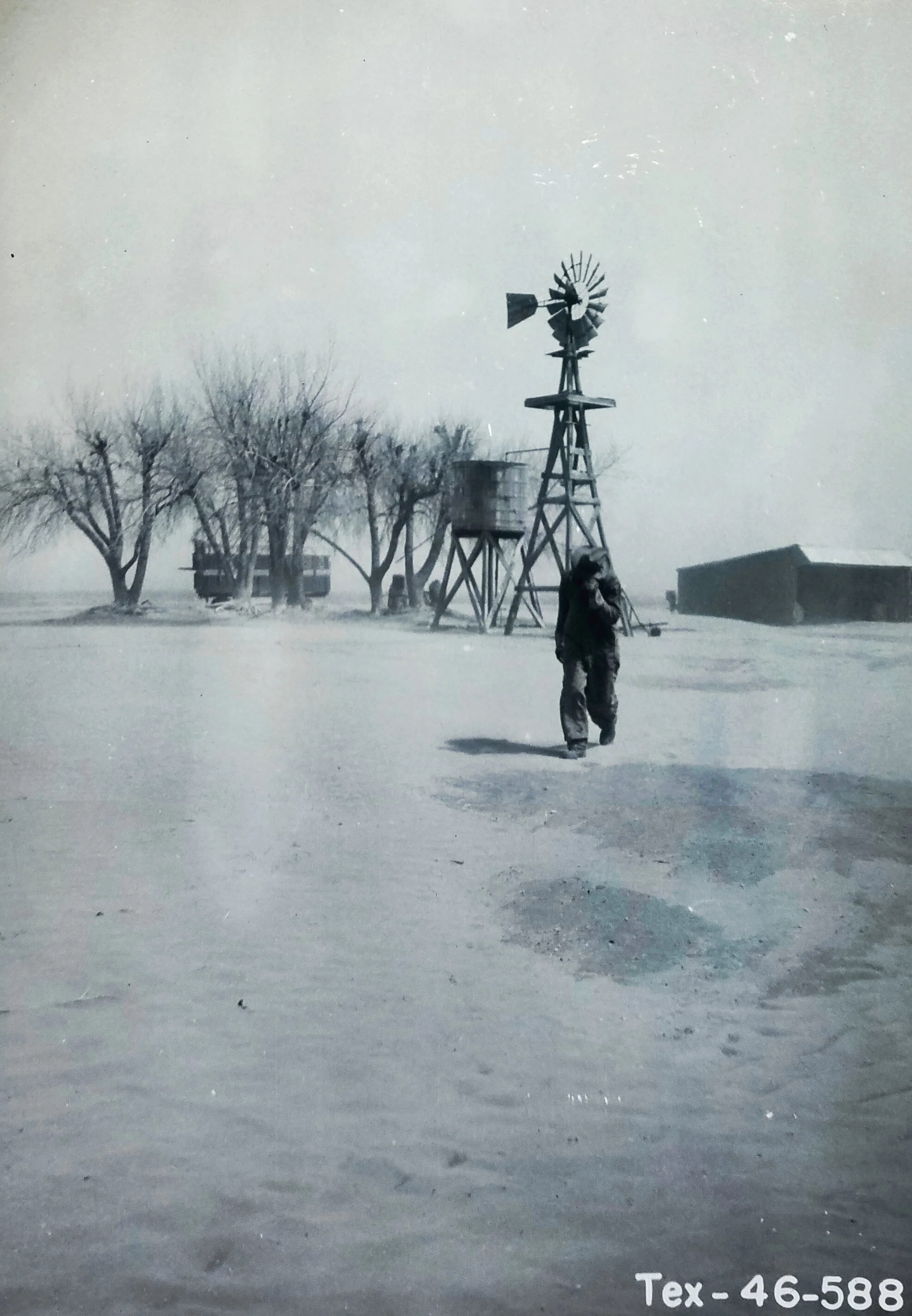
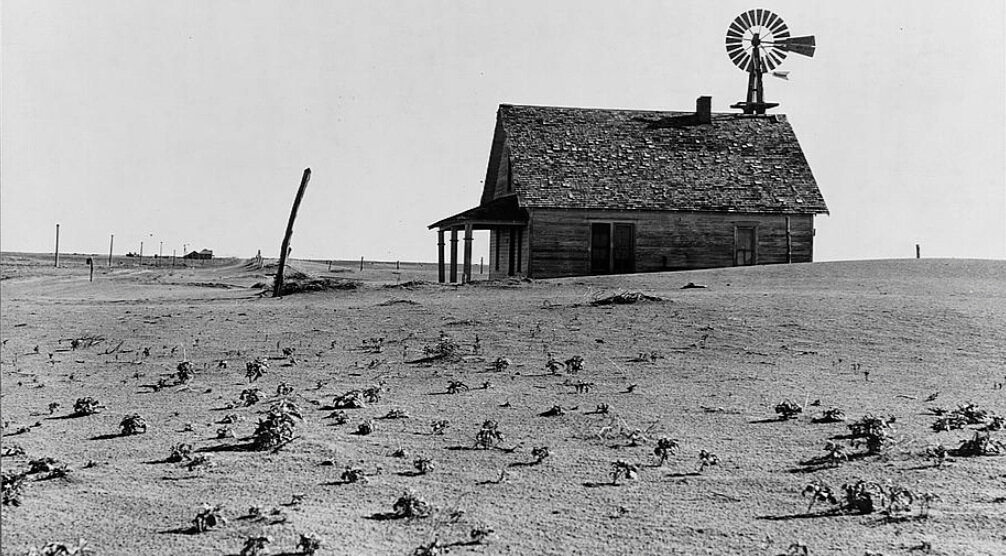
The 1930s Dust Bowl drought on the U.S. Great Plains was a catastrophic environmental and human crisis. Agricultural and economic collapse, poor air quality, respiratory illness, and large-scale migration reshaped the region, leaving a legacy still felt today.
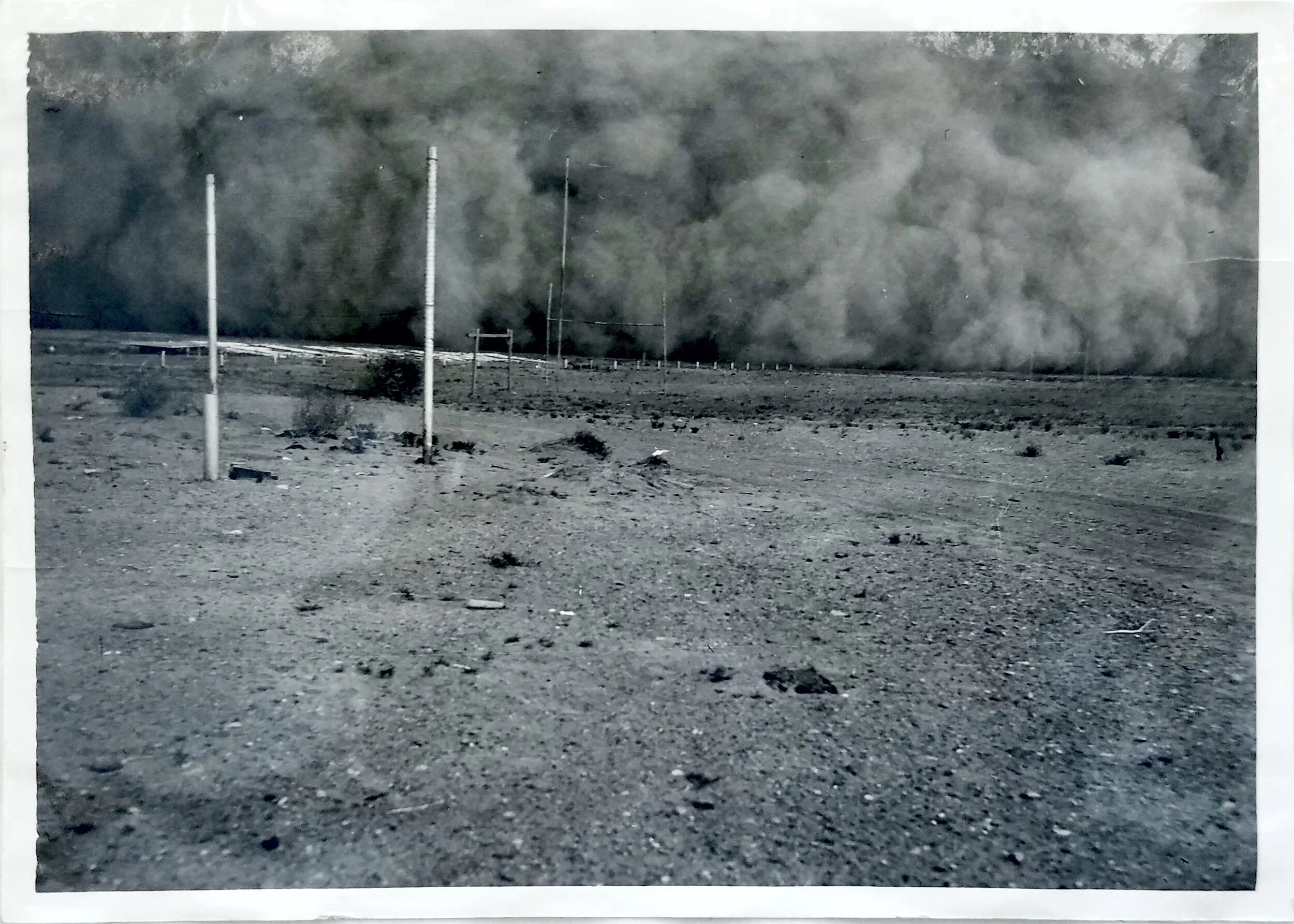
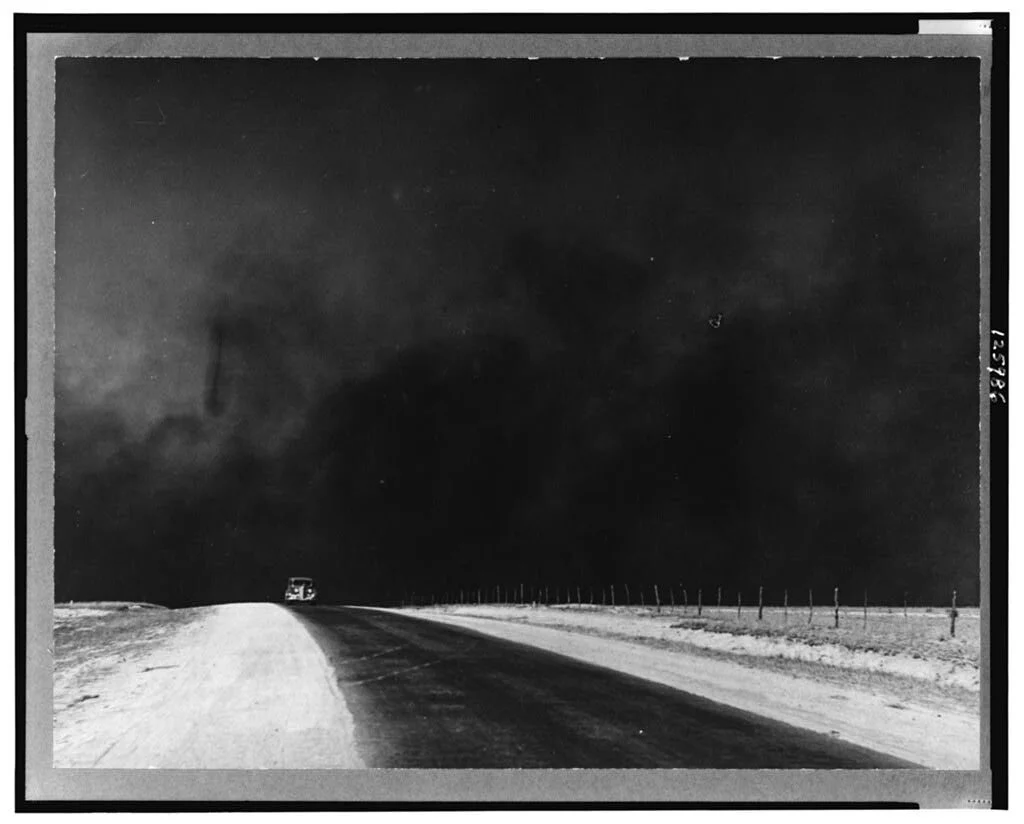
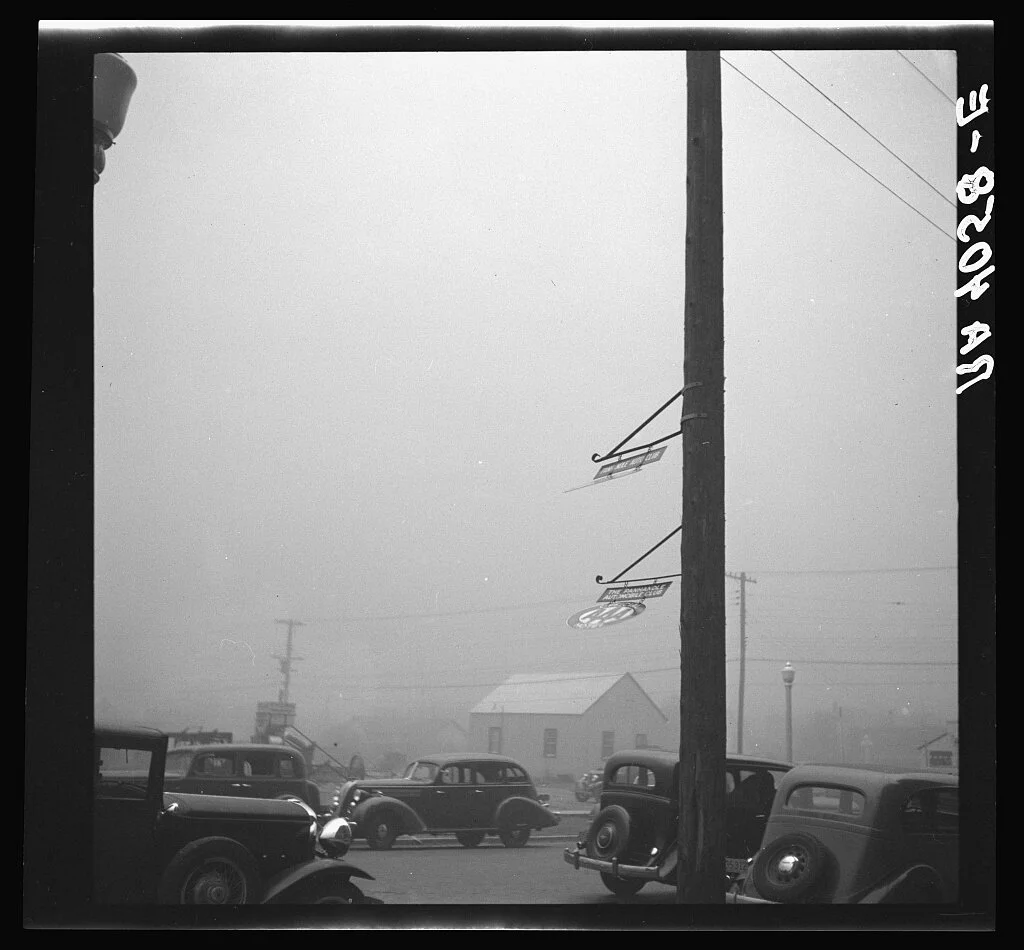
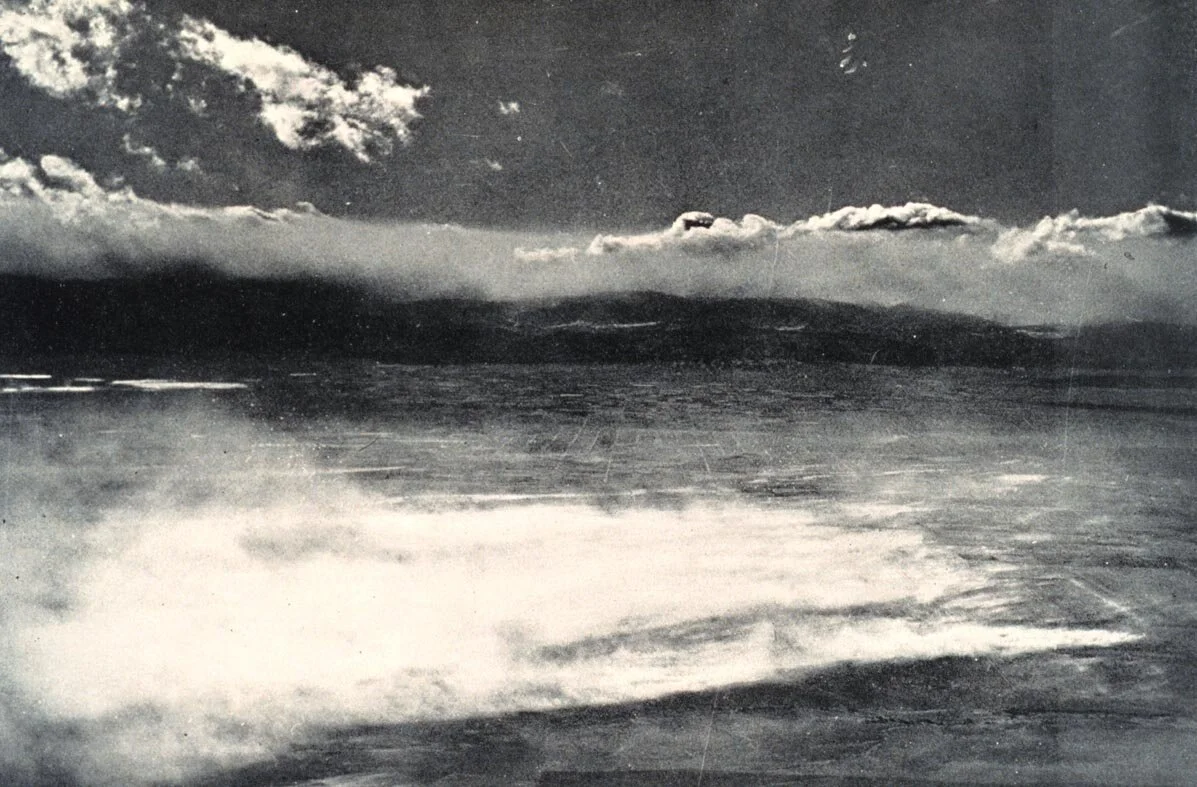
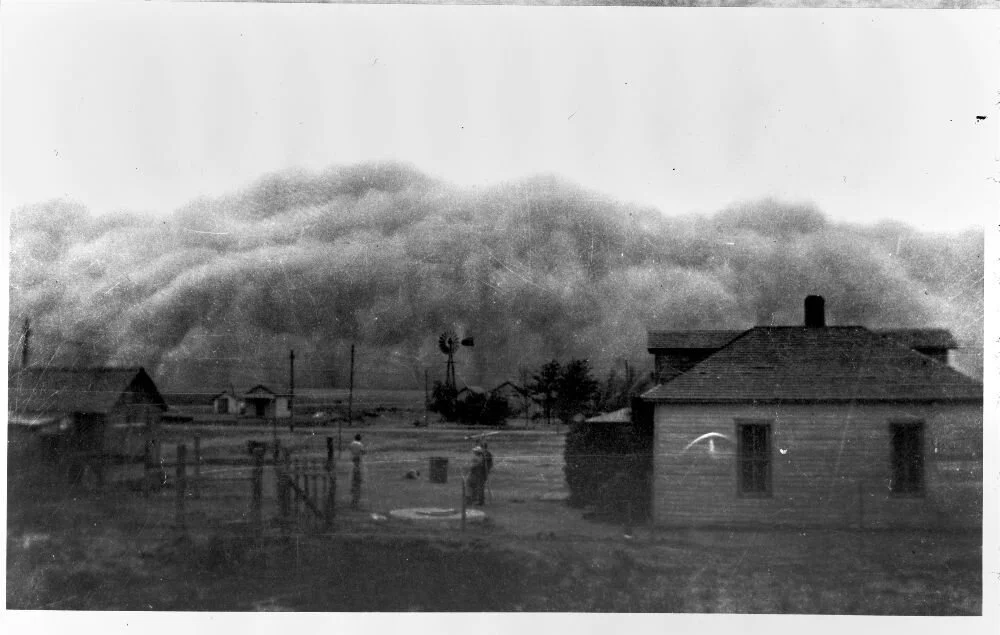
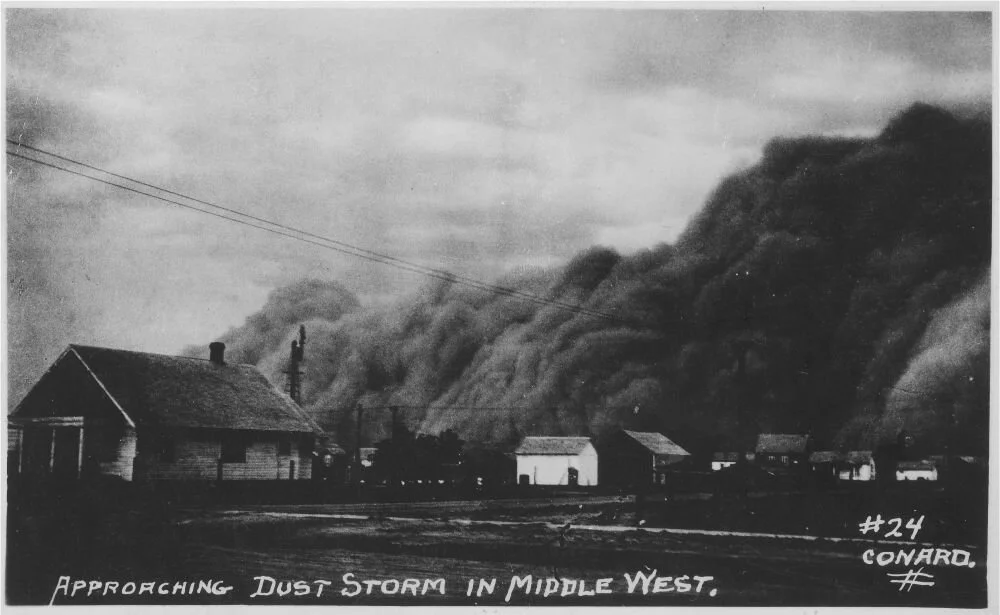
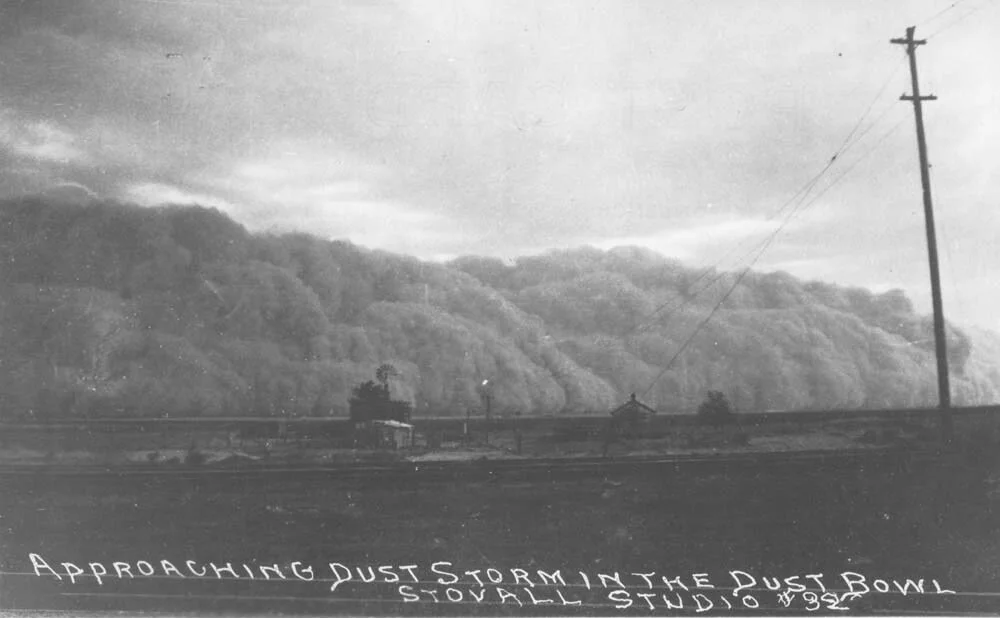
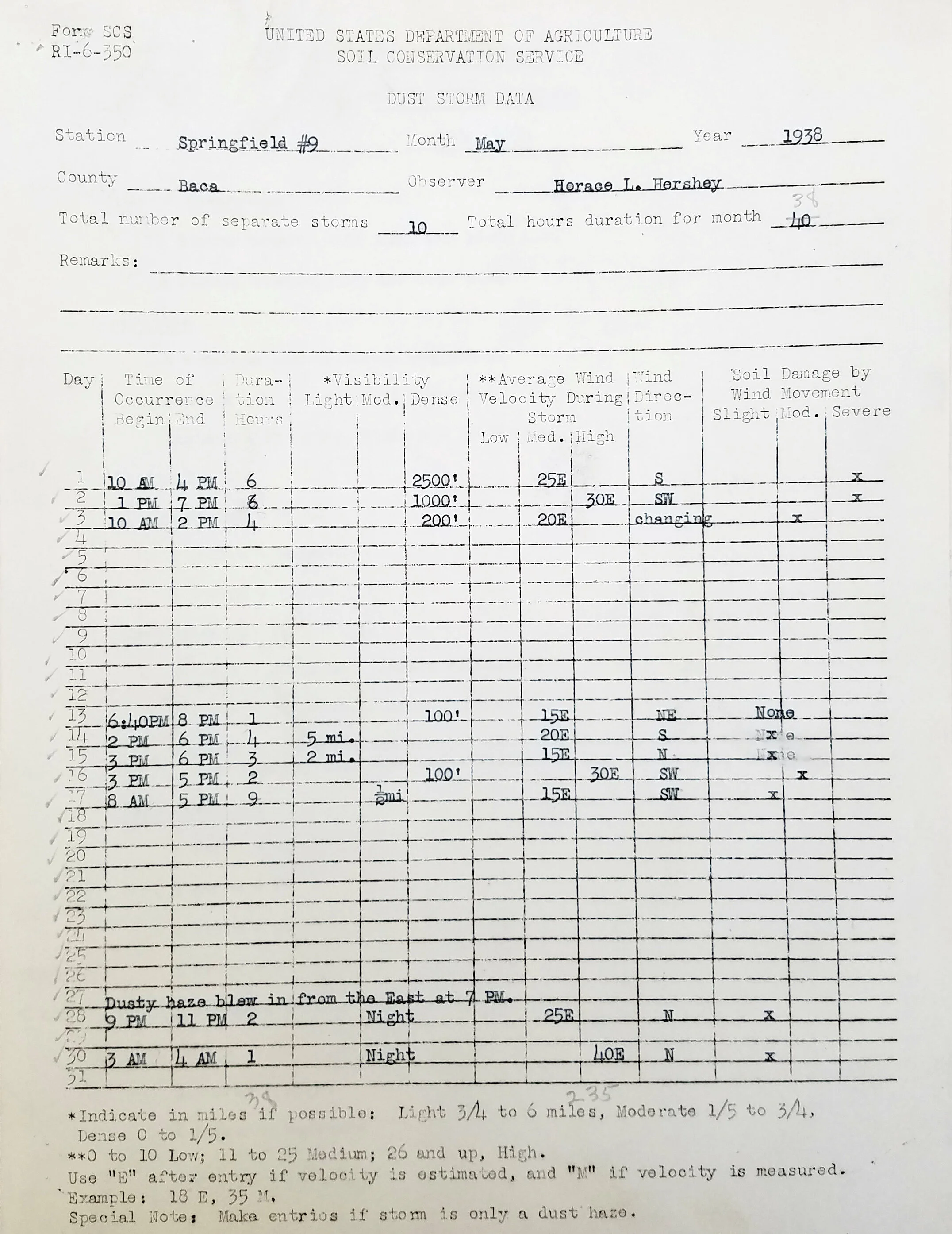
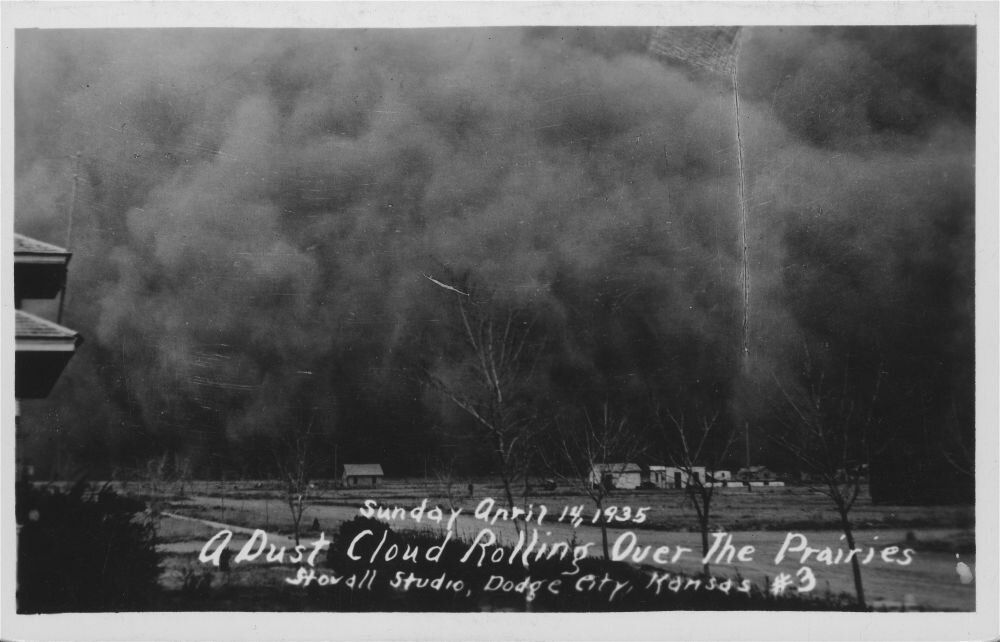
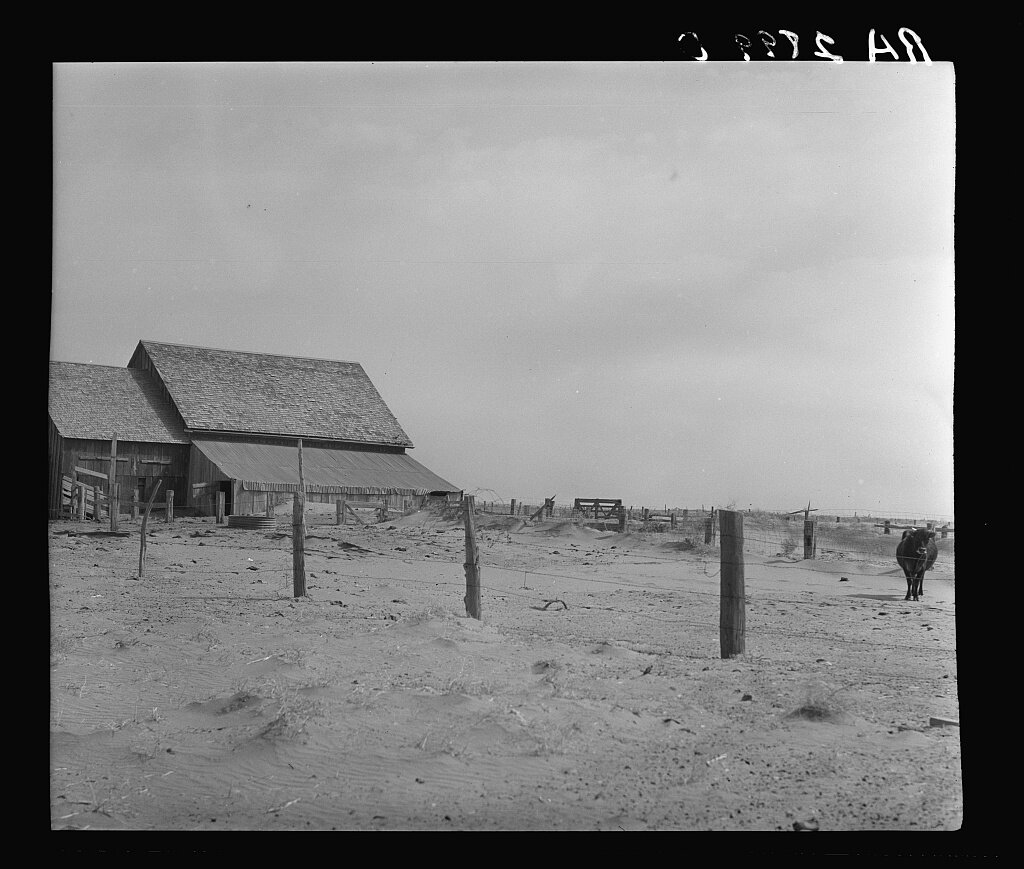
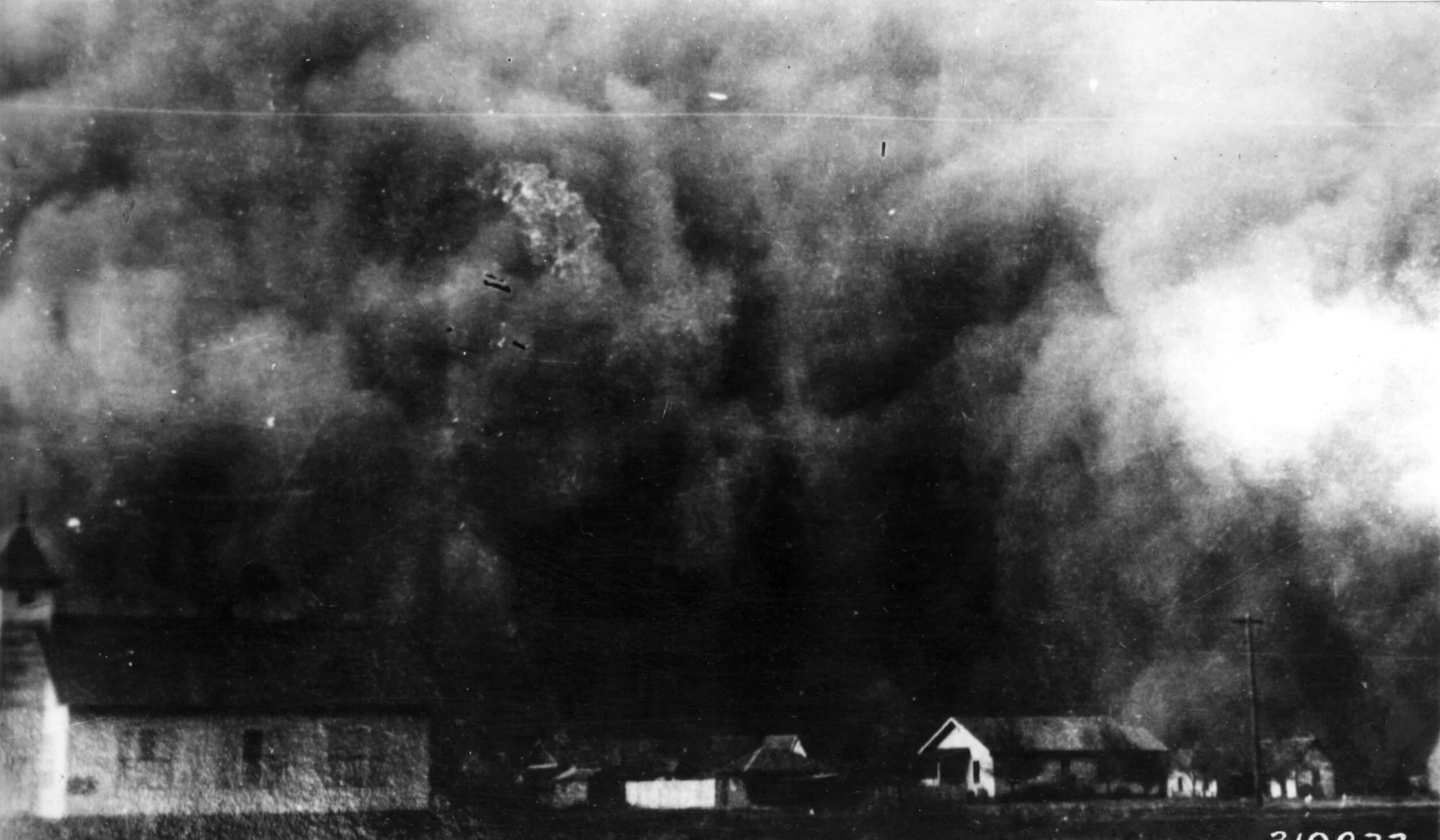
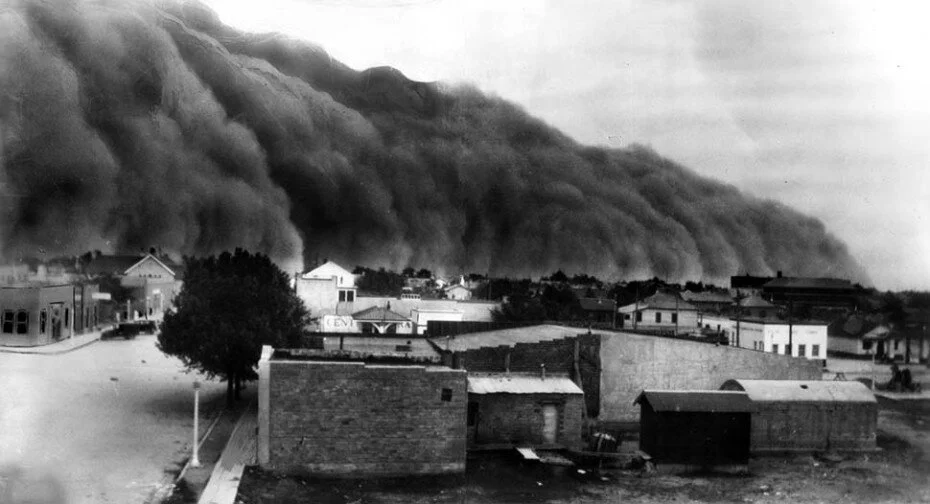
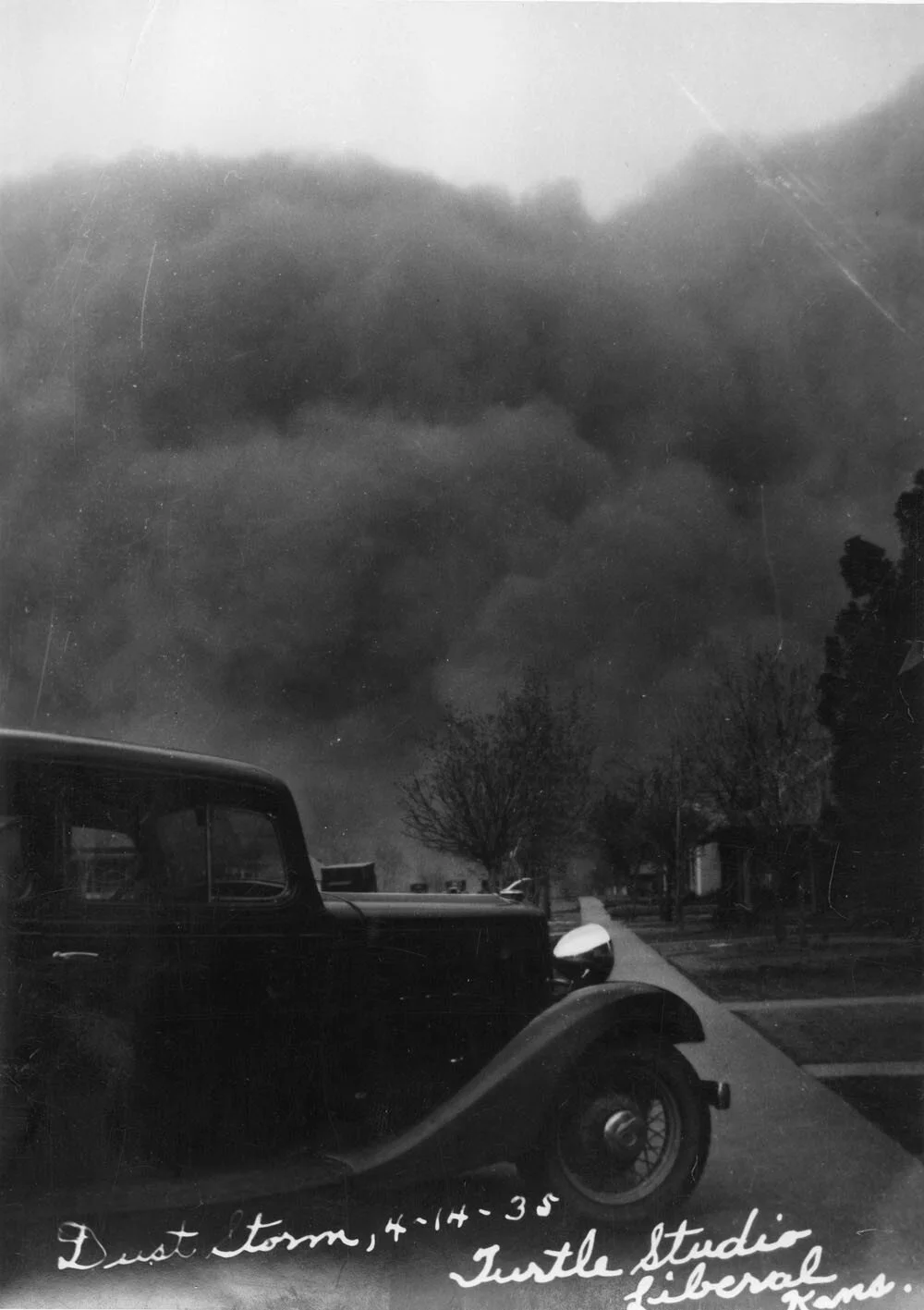
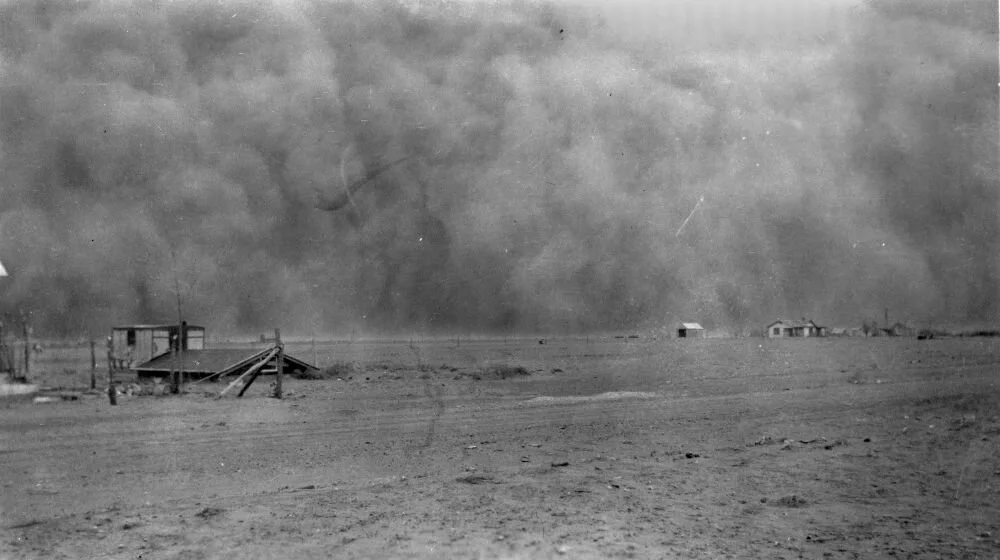
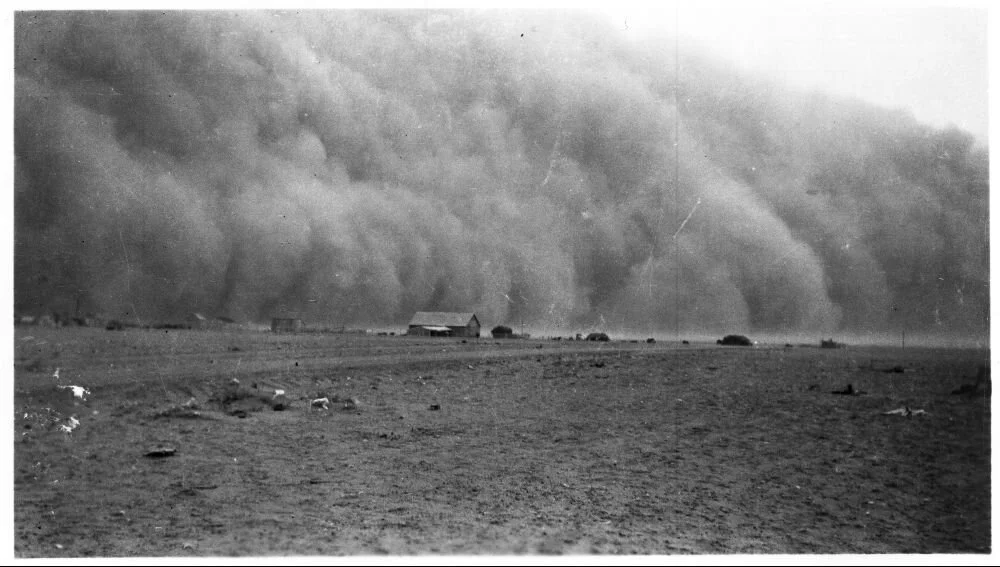
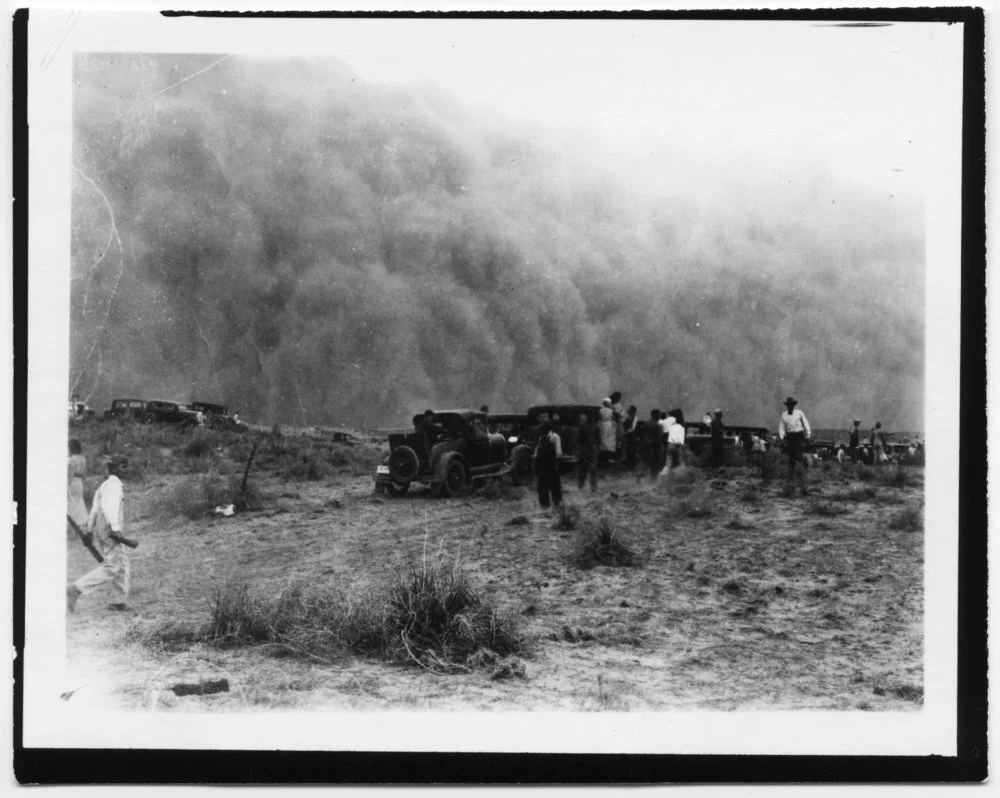
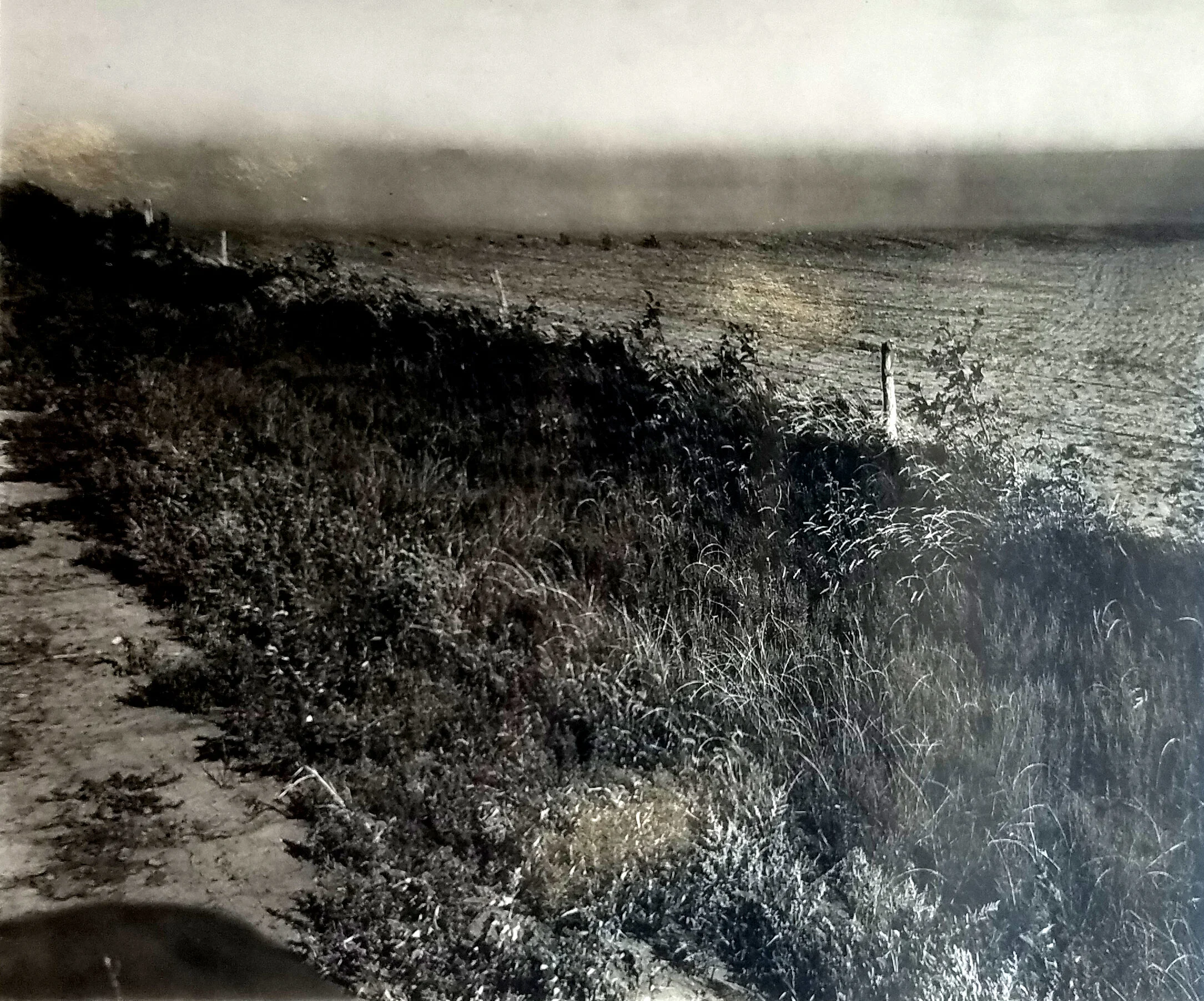
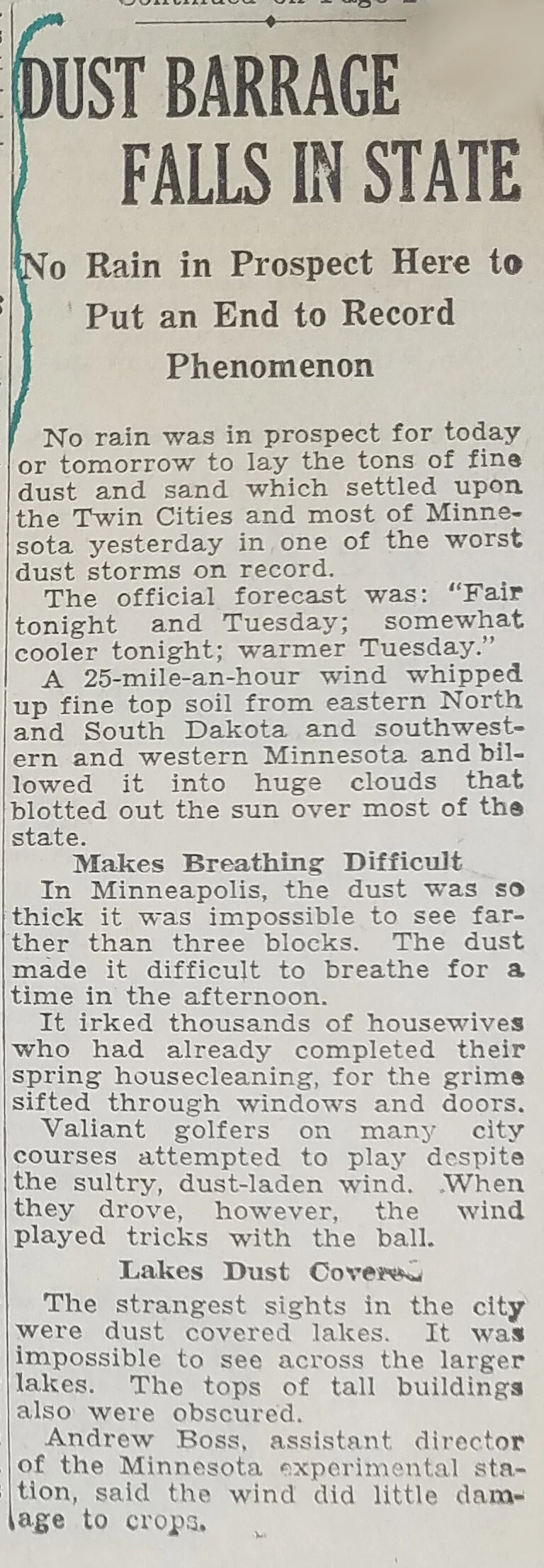
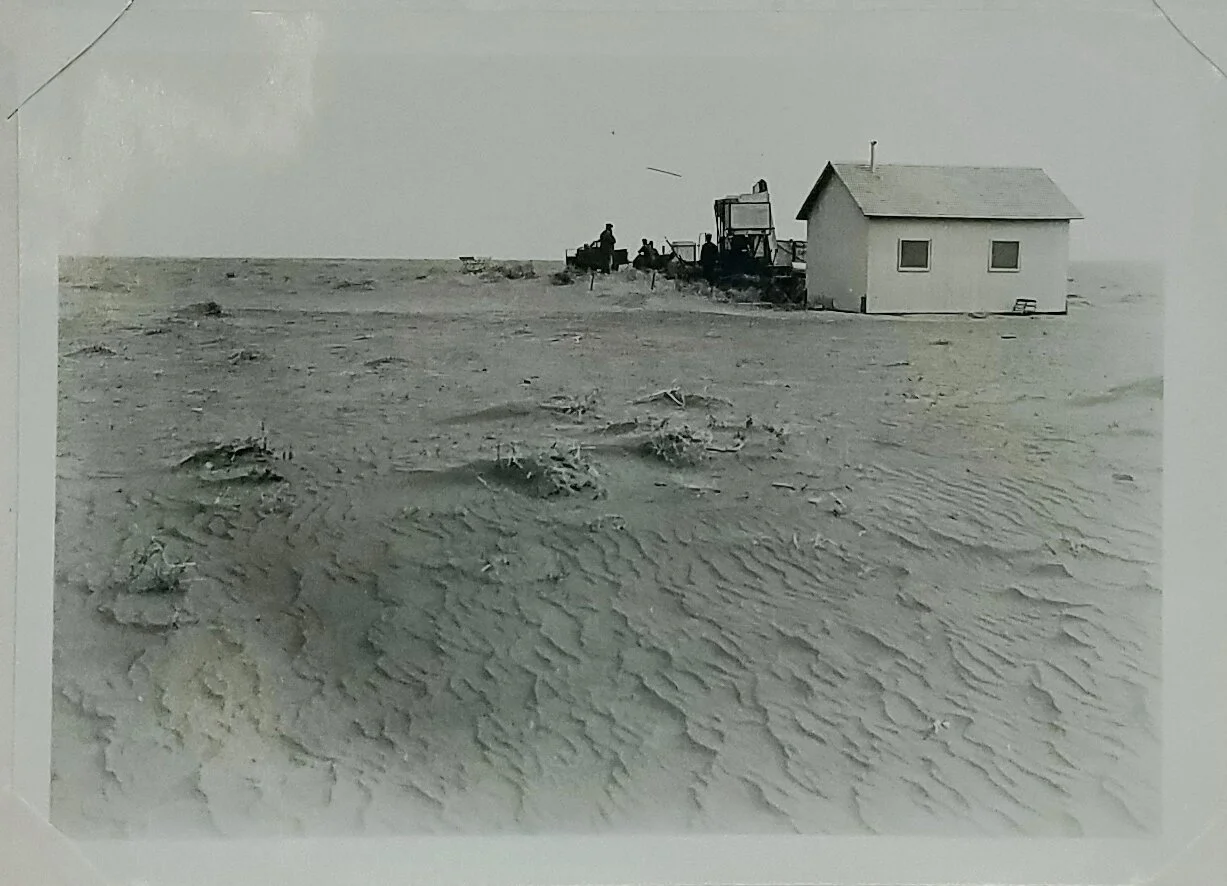
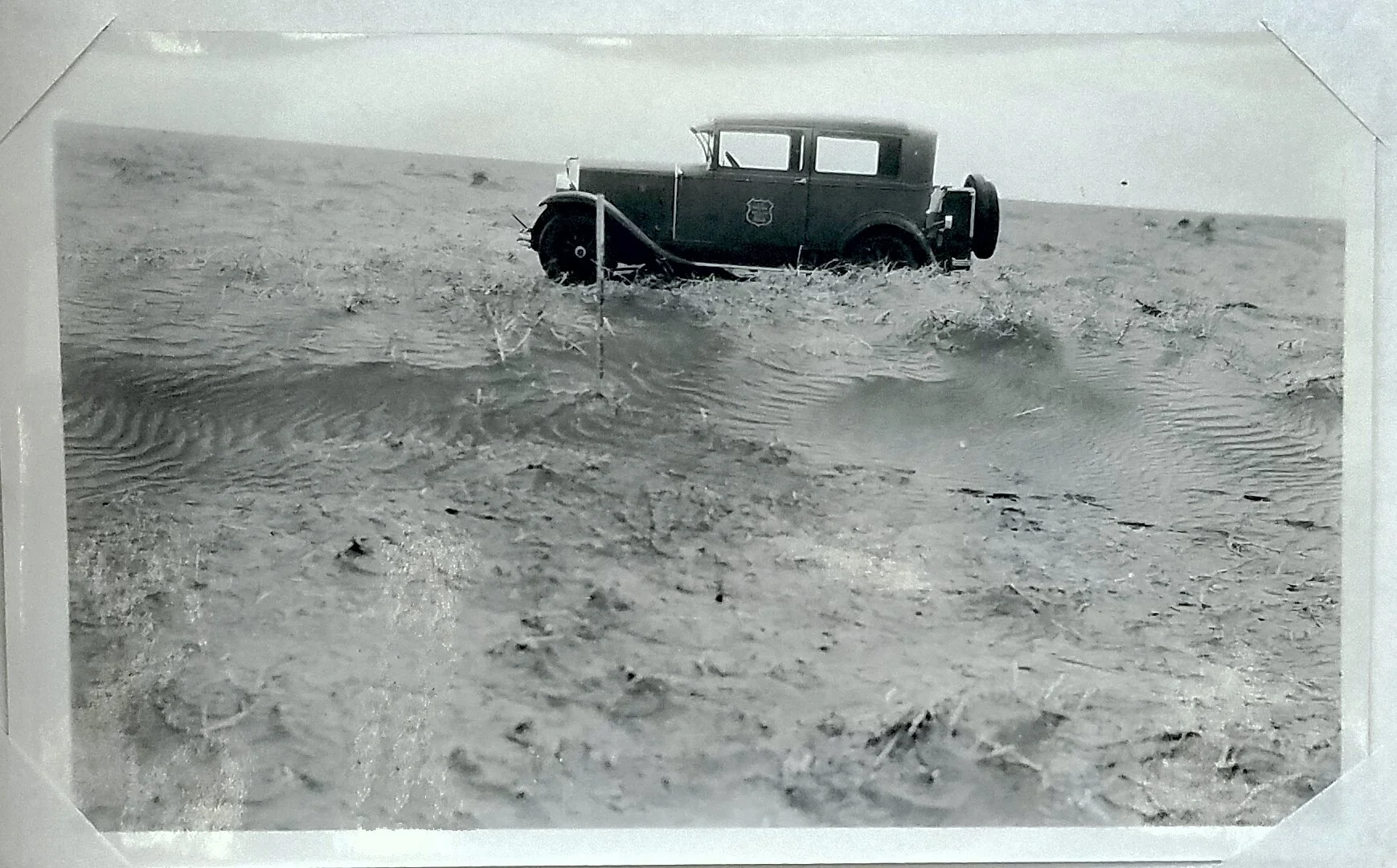
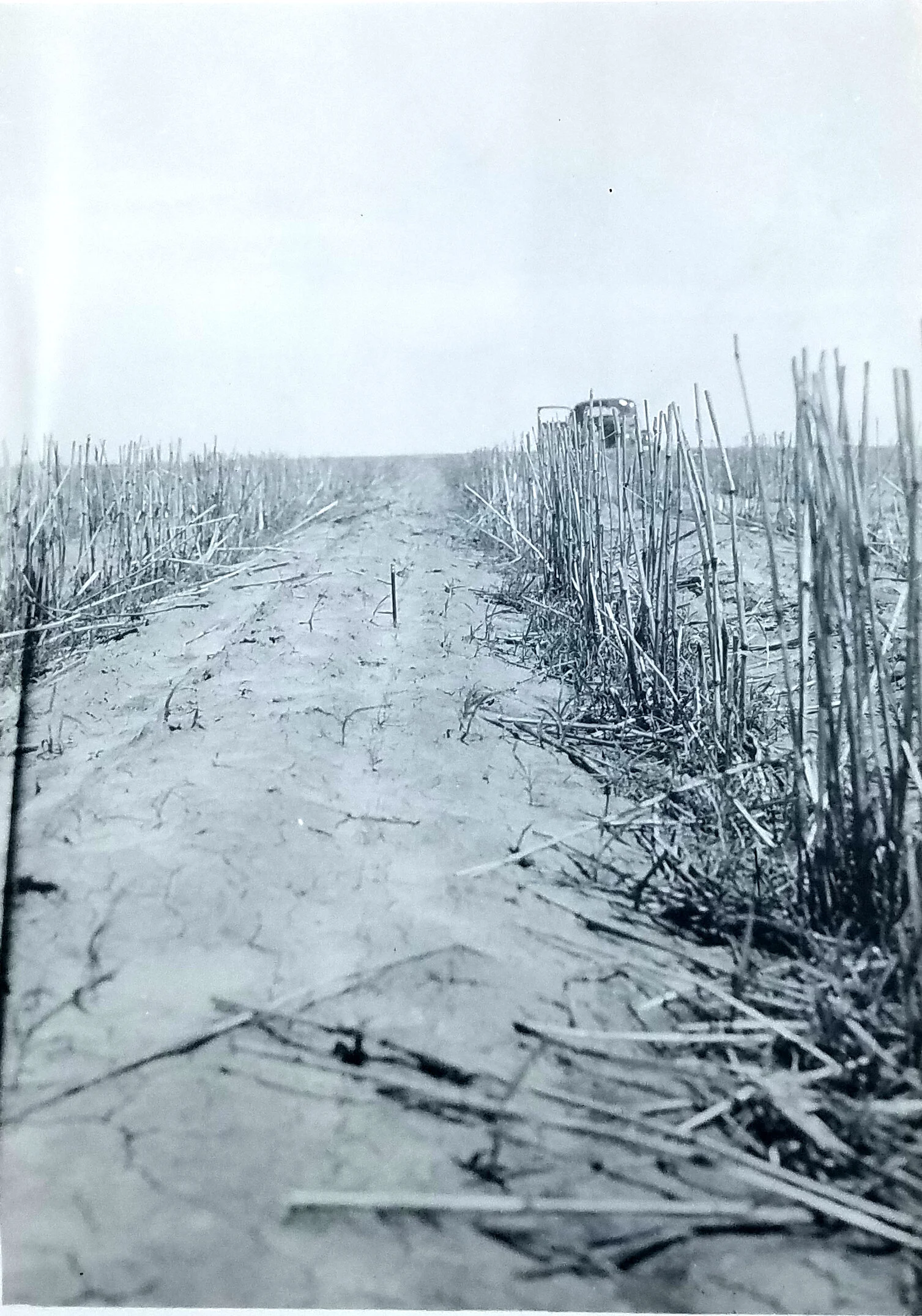
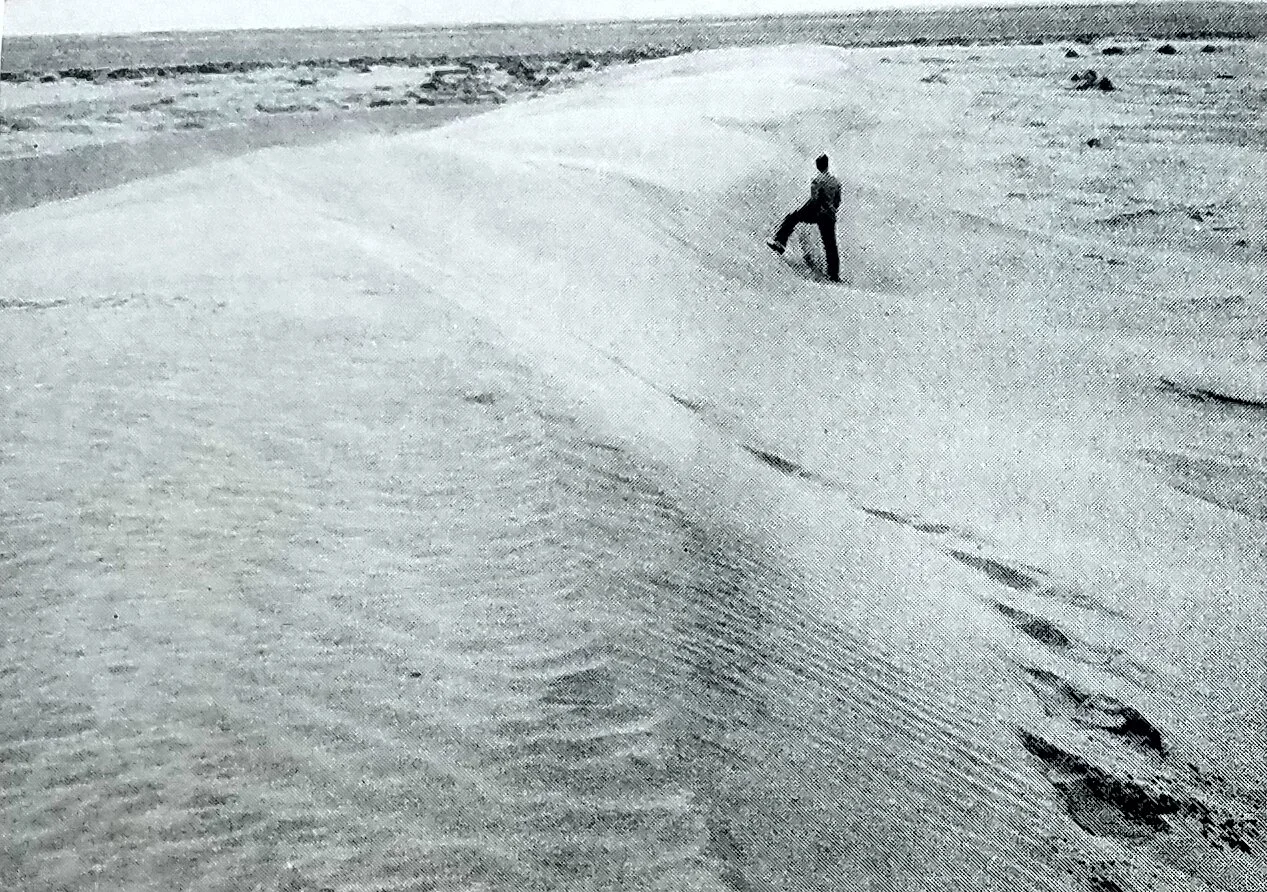
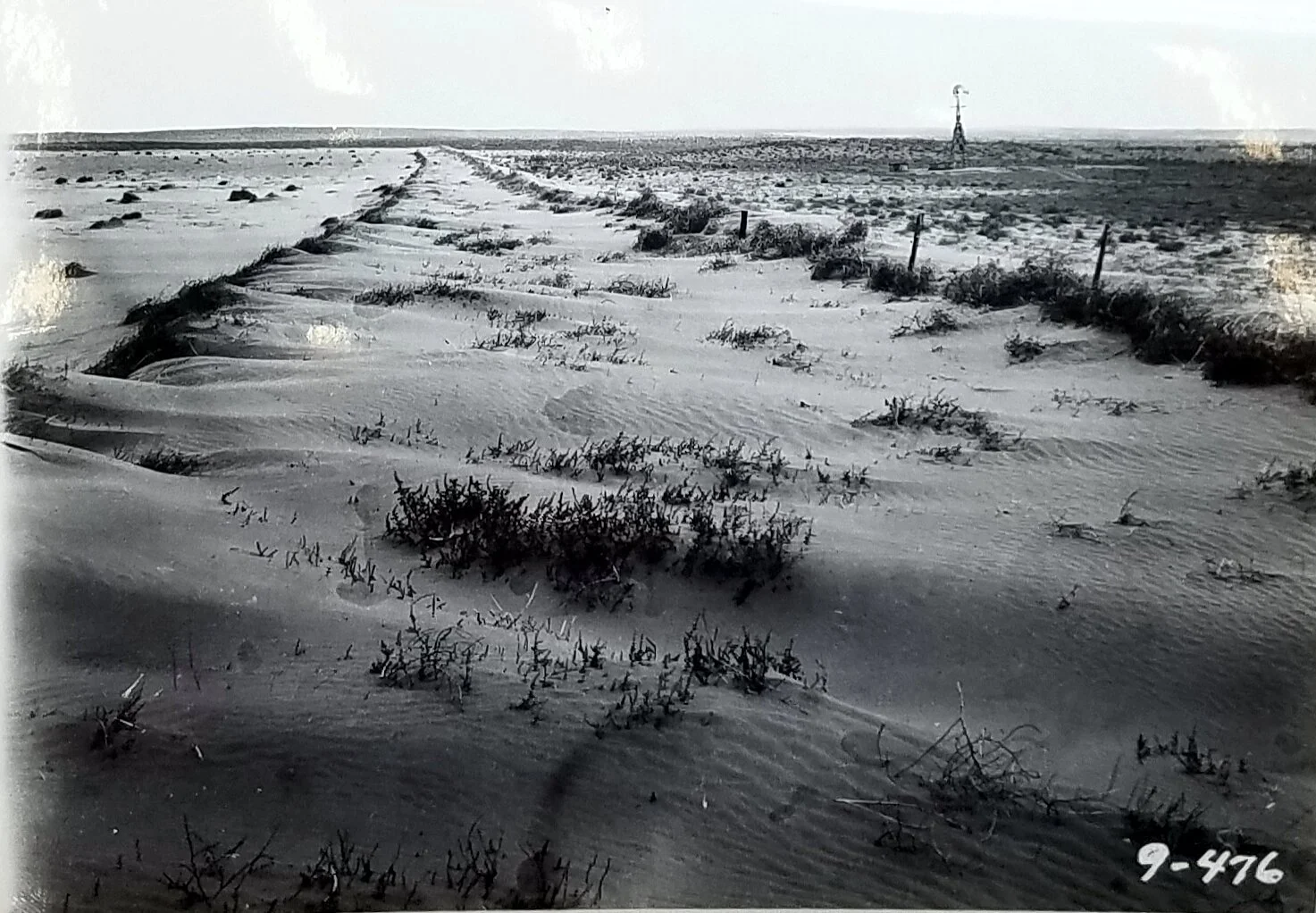
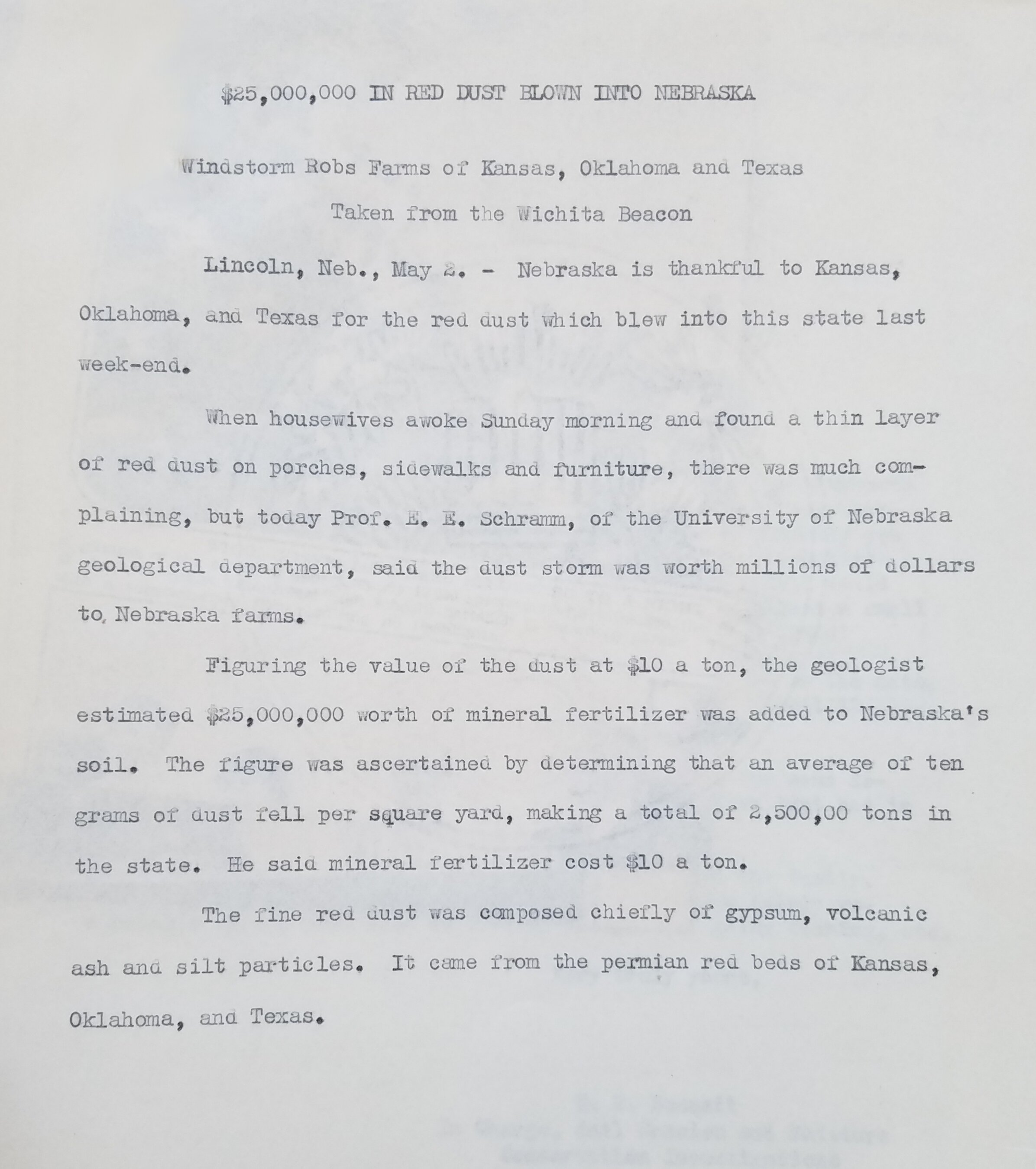
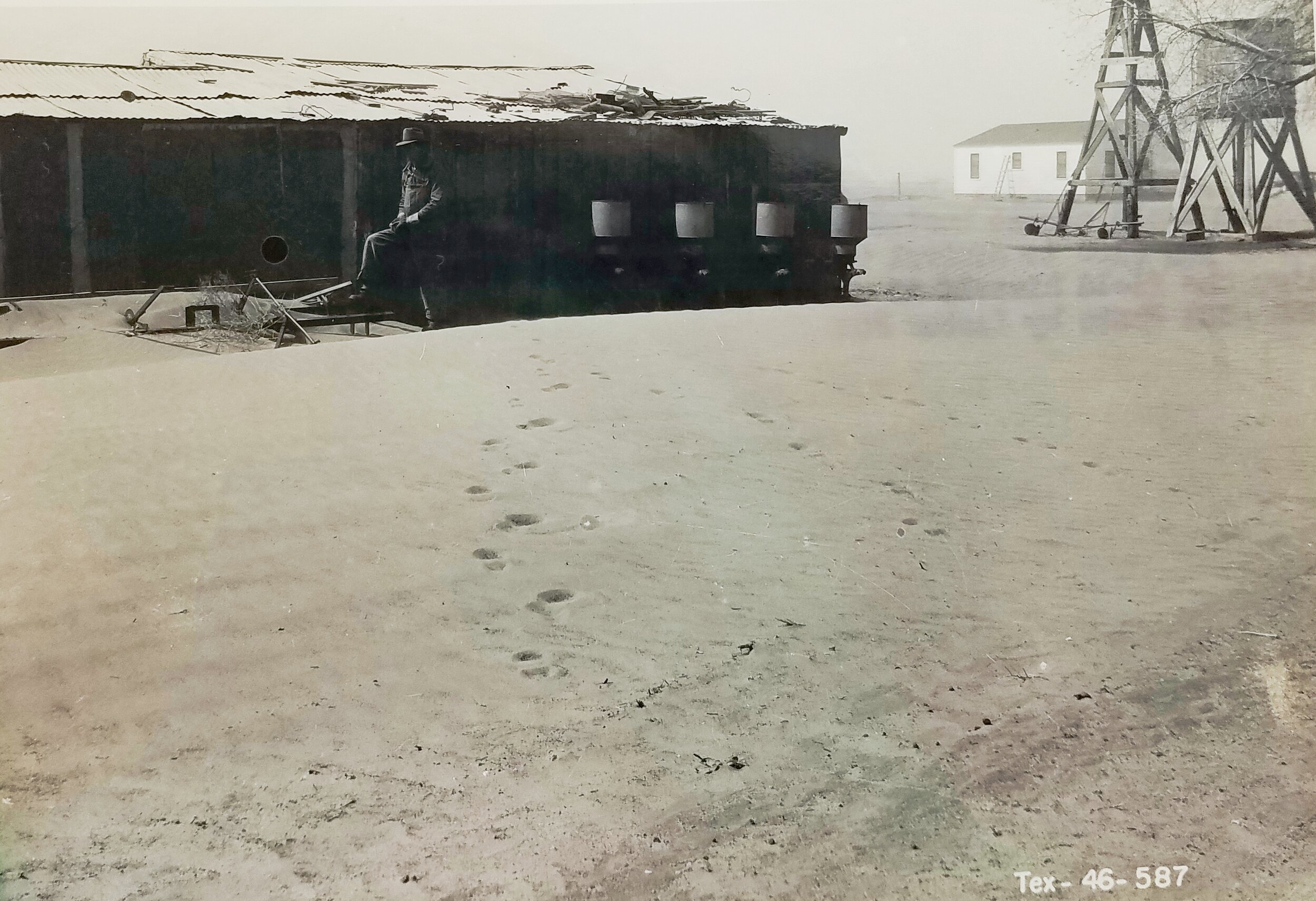
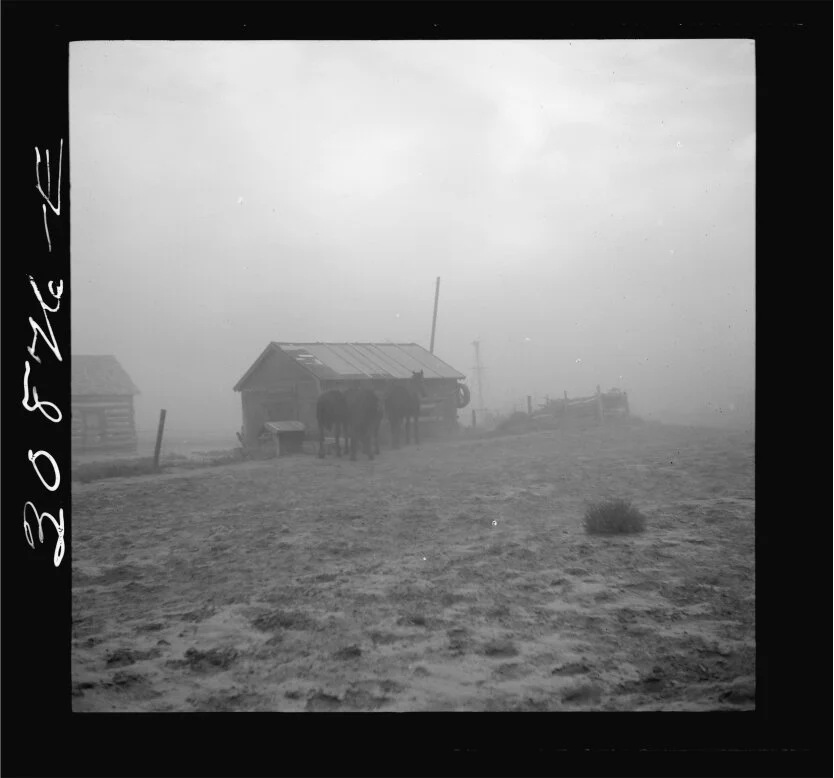
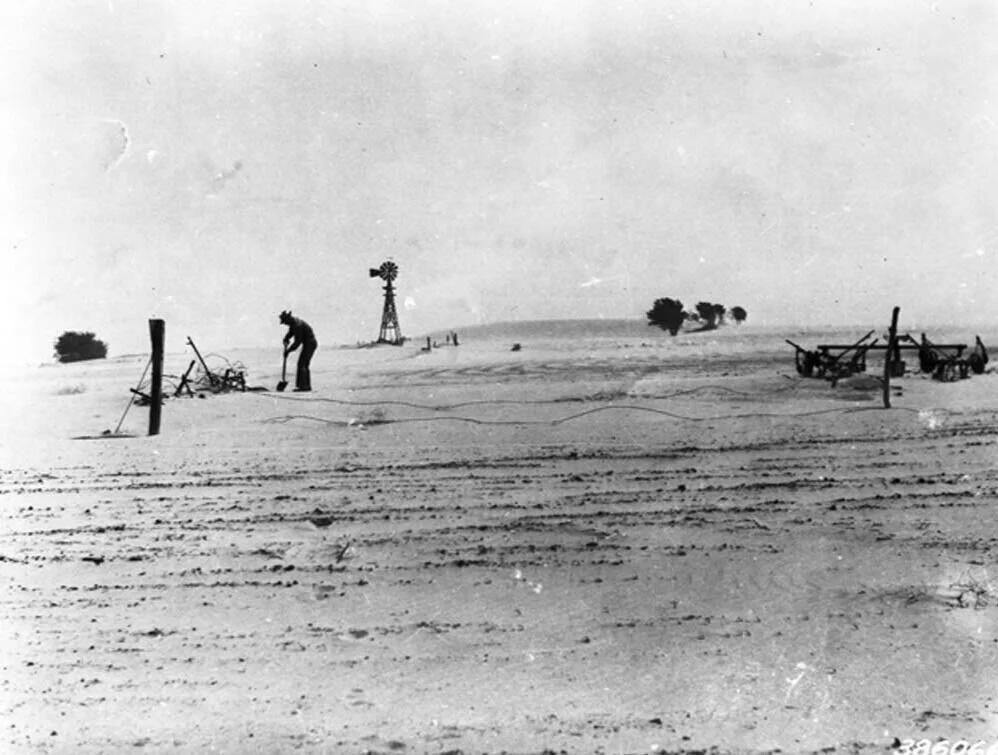
The storms that gave the Dust Bowl its name carried Plains sediment across the continent, with dust reported from the Pacific to the Atlantic. In Baca County, Colorado, dust events were recorded for 147 consecutive days in 1938 alone, and individual storms sometimes lasted up to 96 hours.
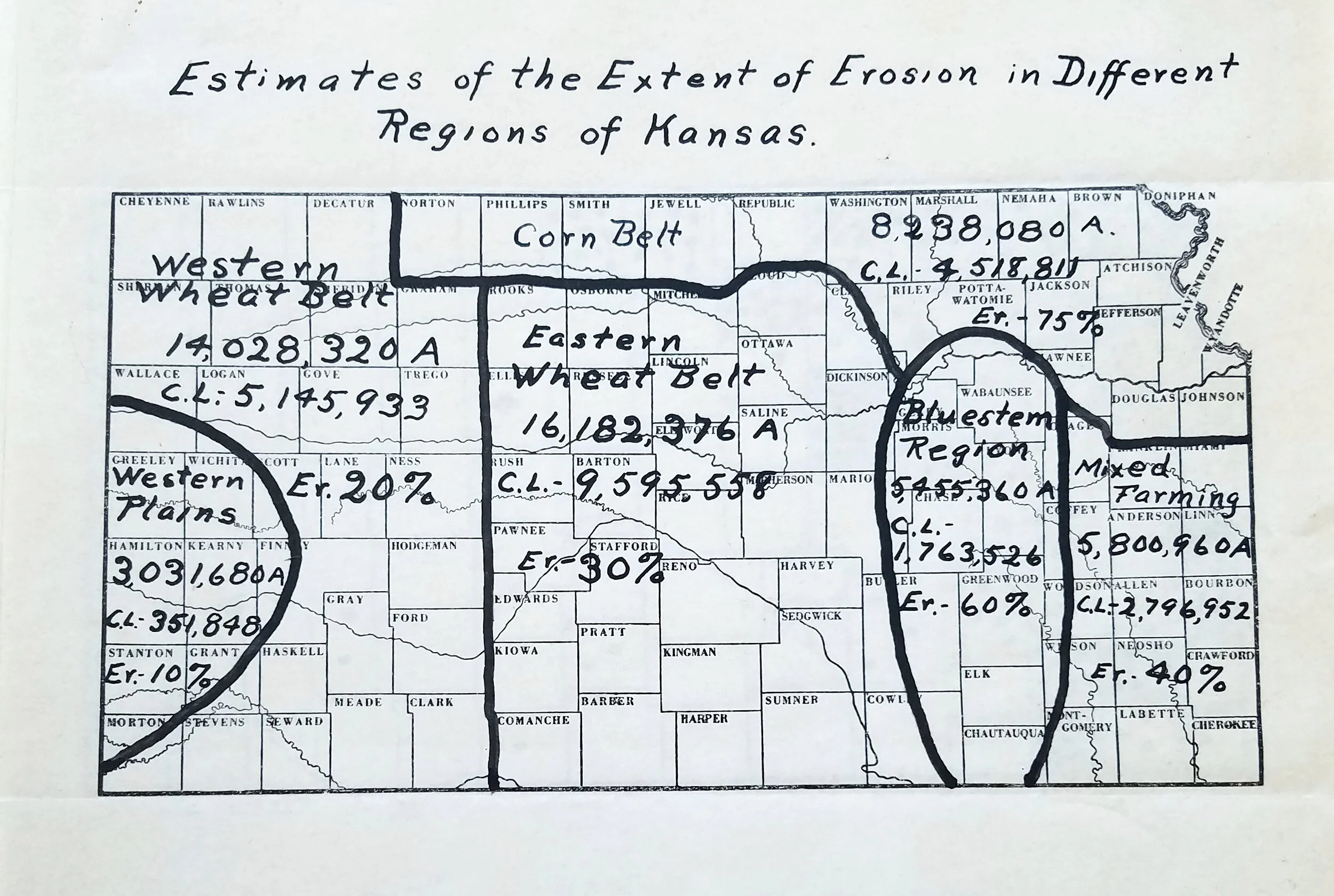
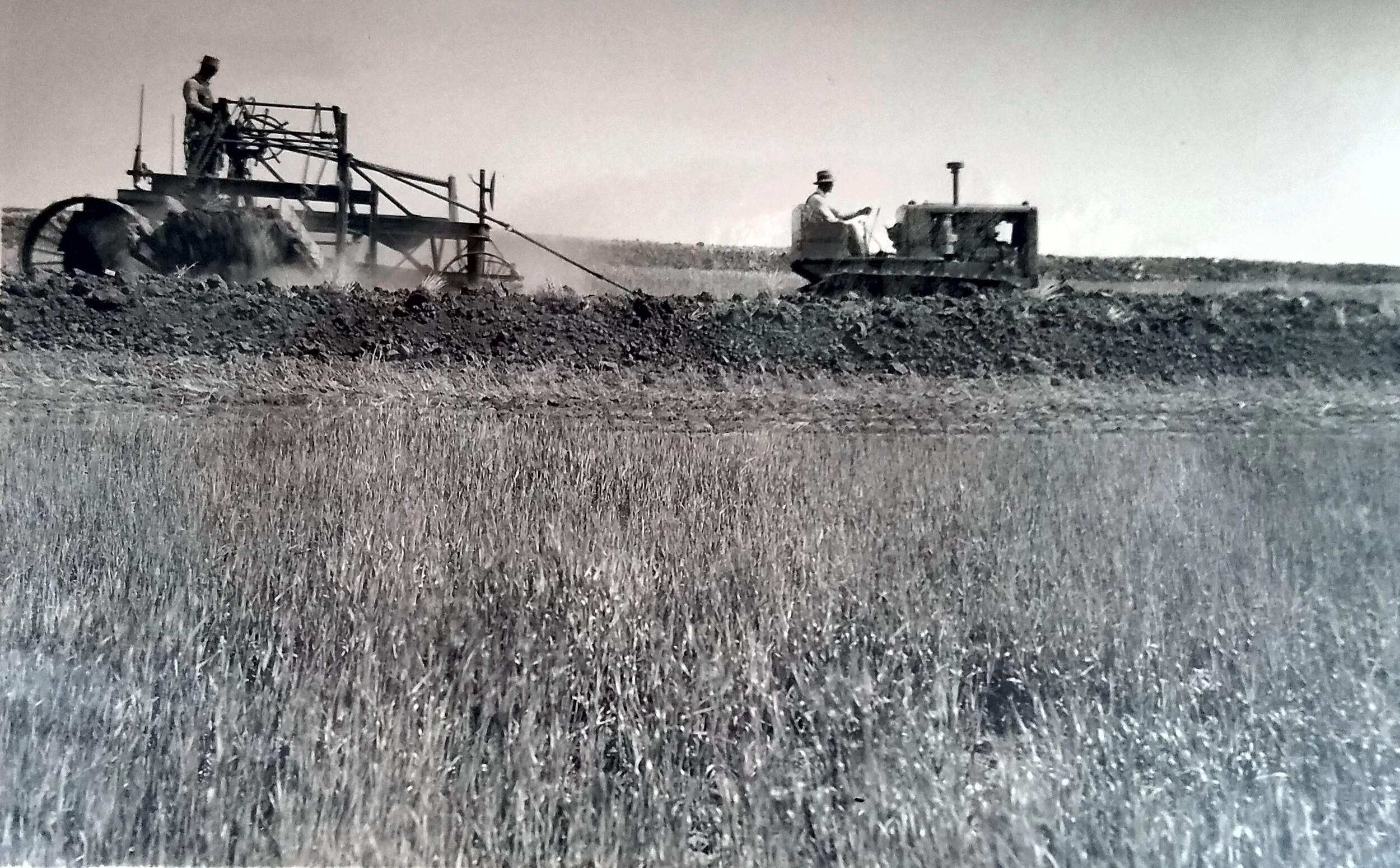
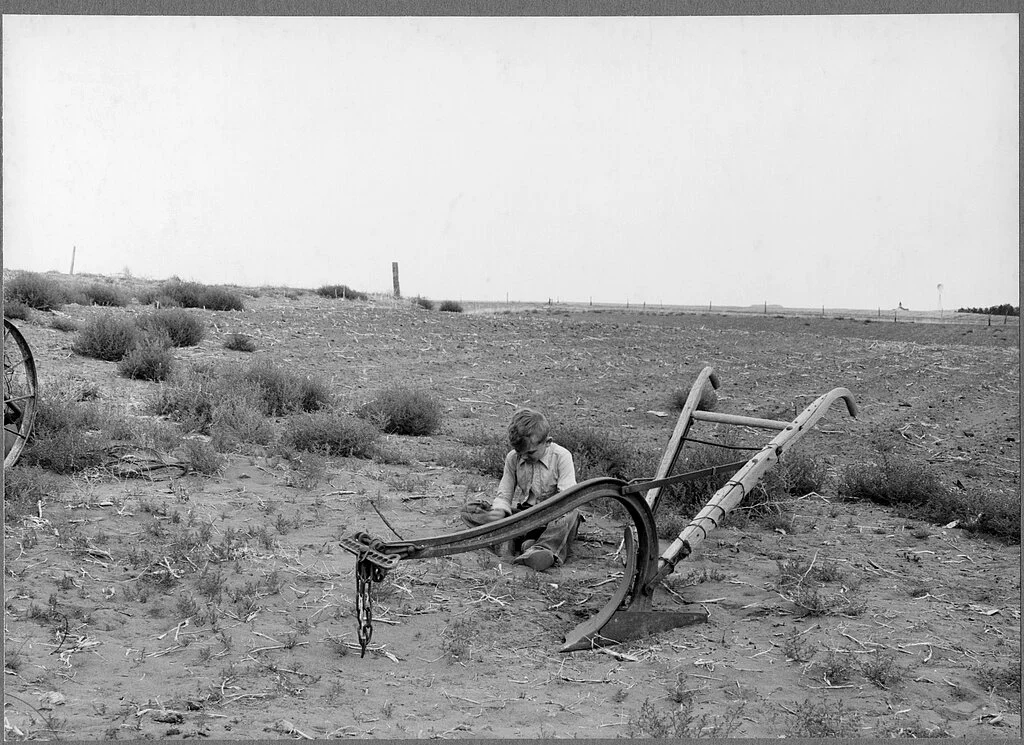
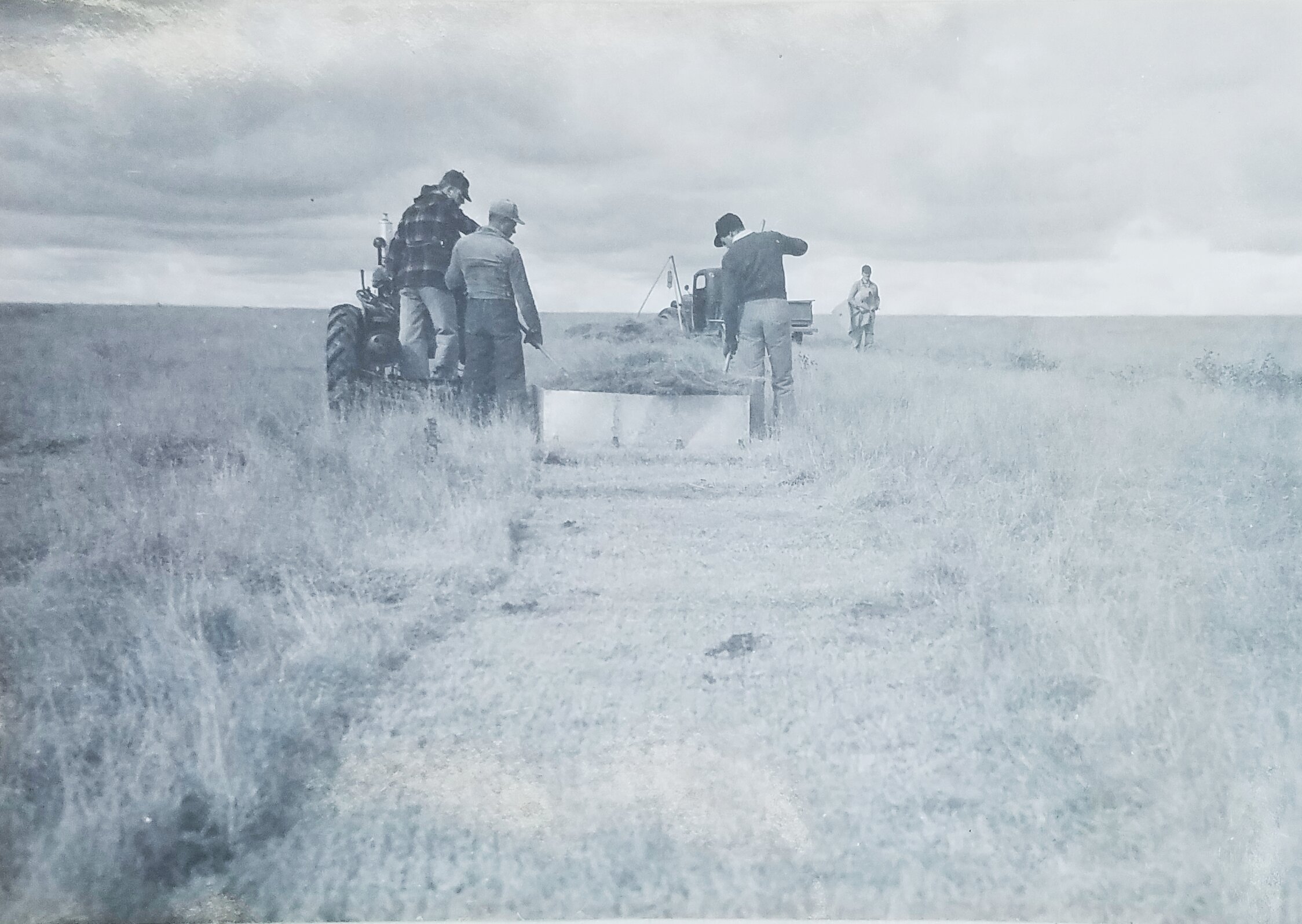
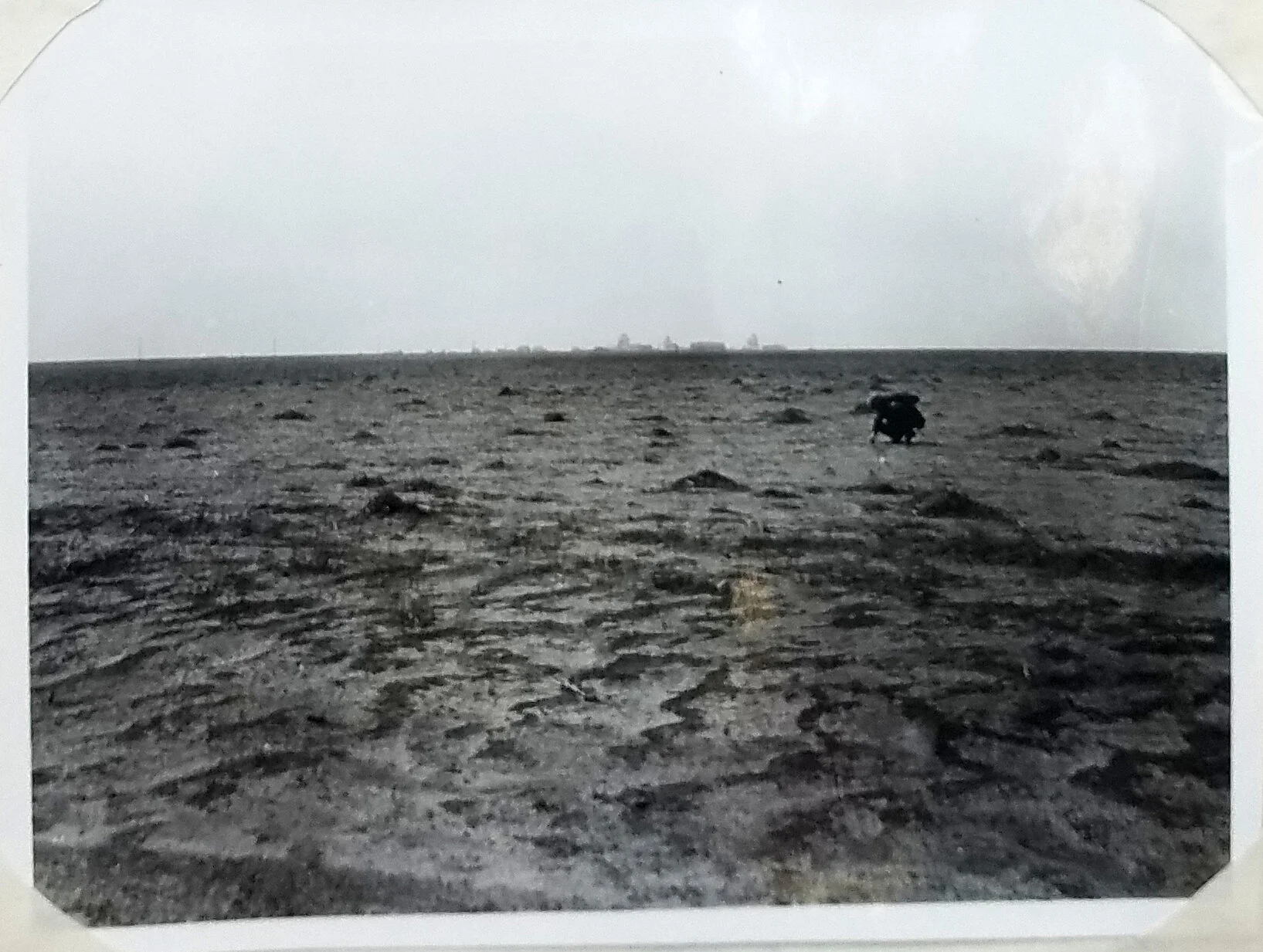
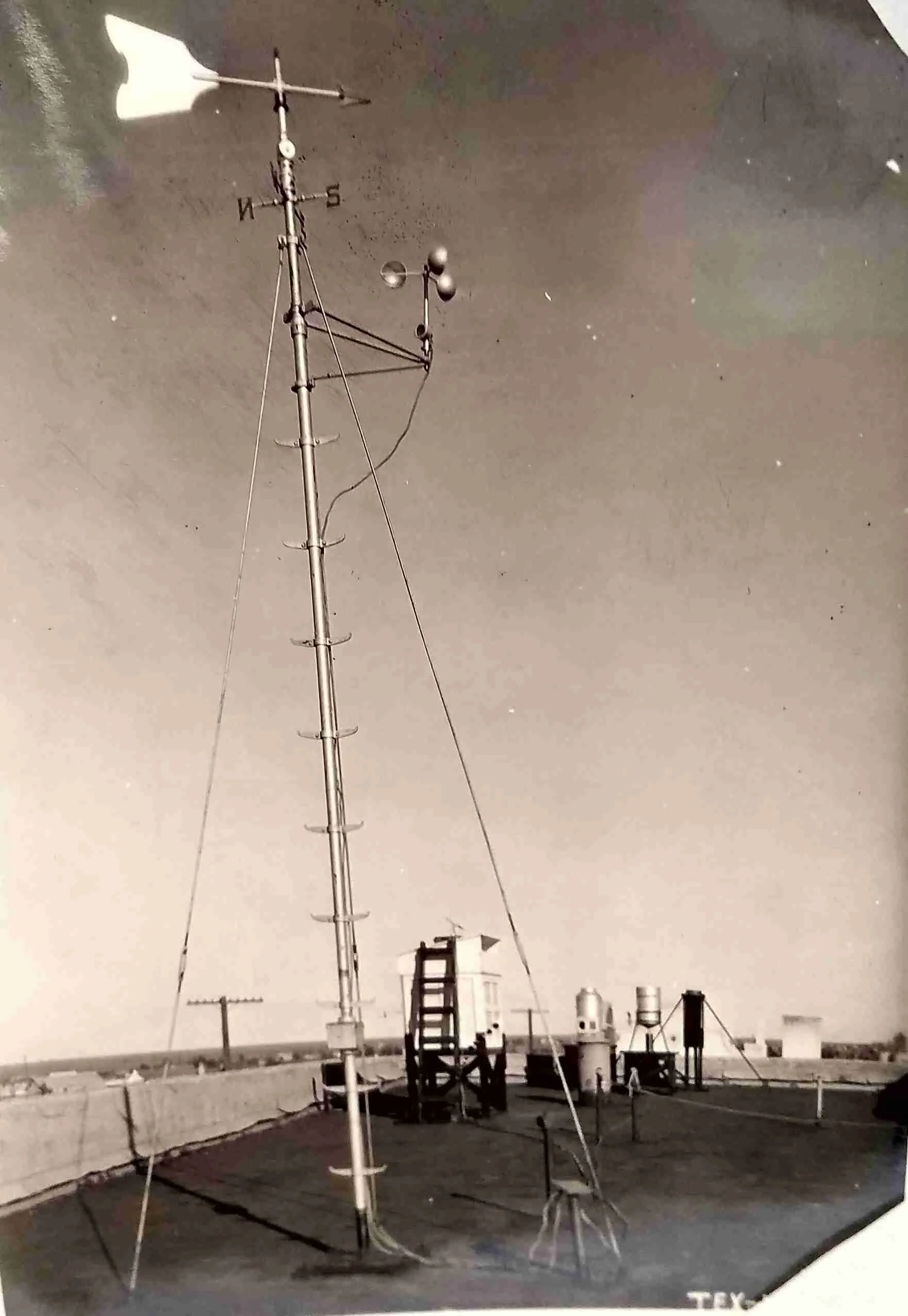
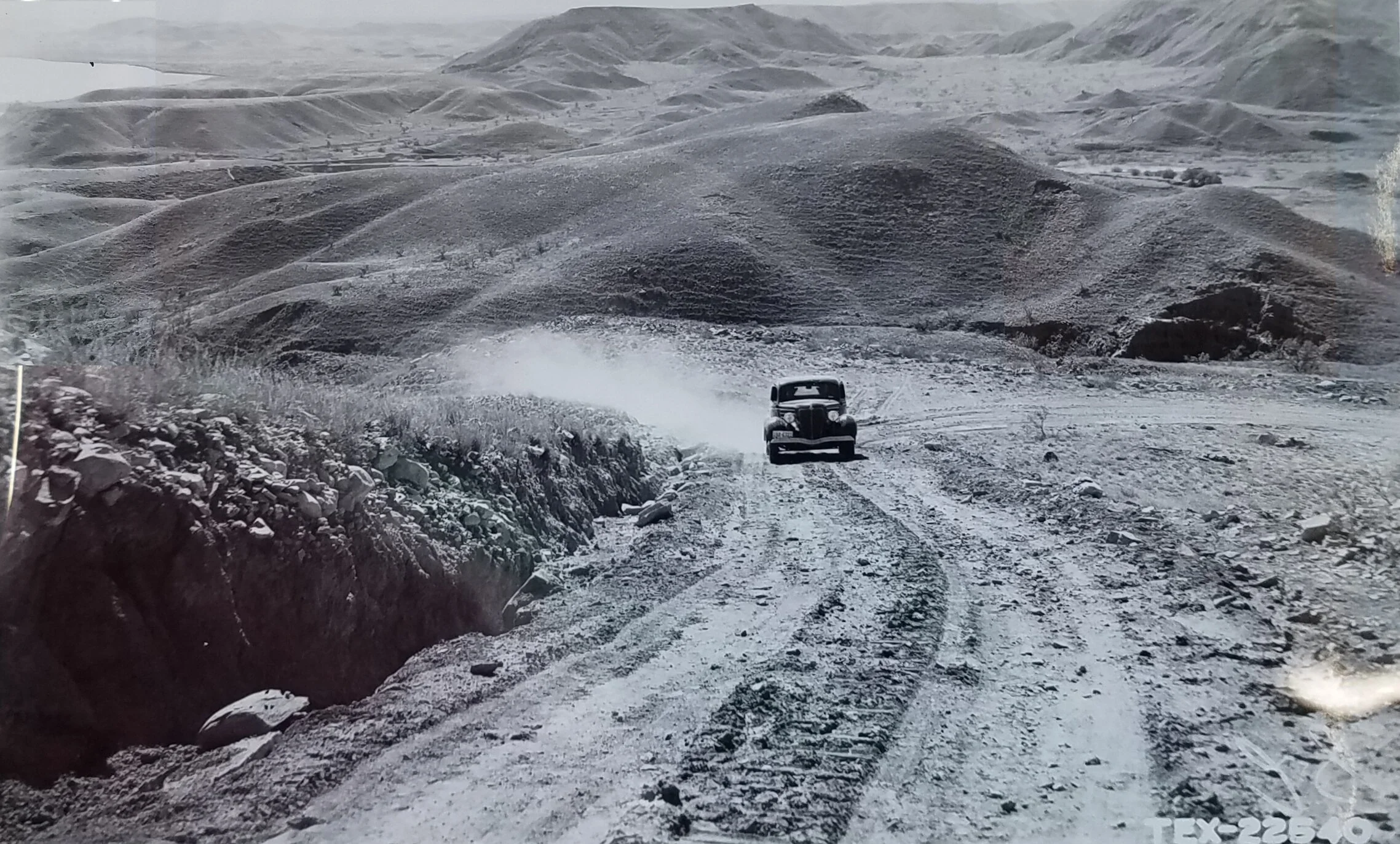
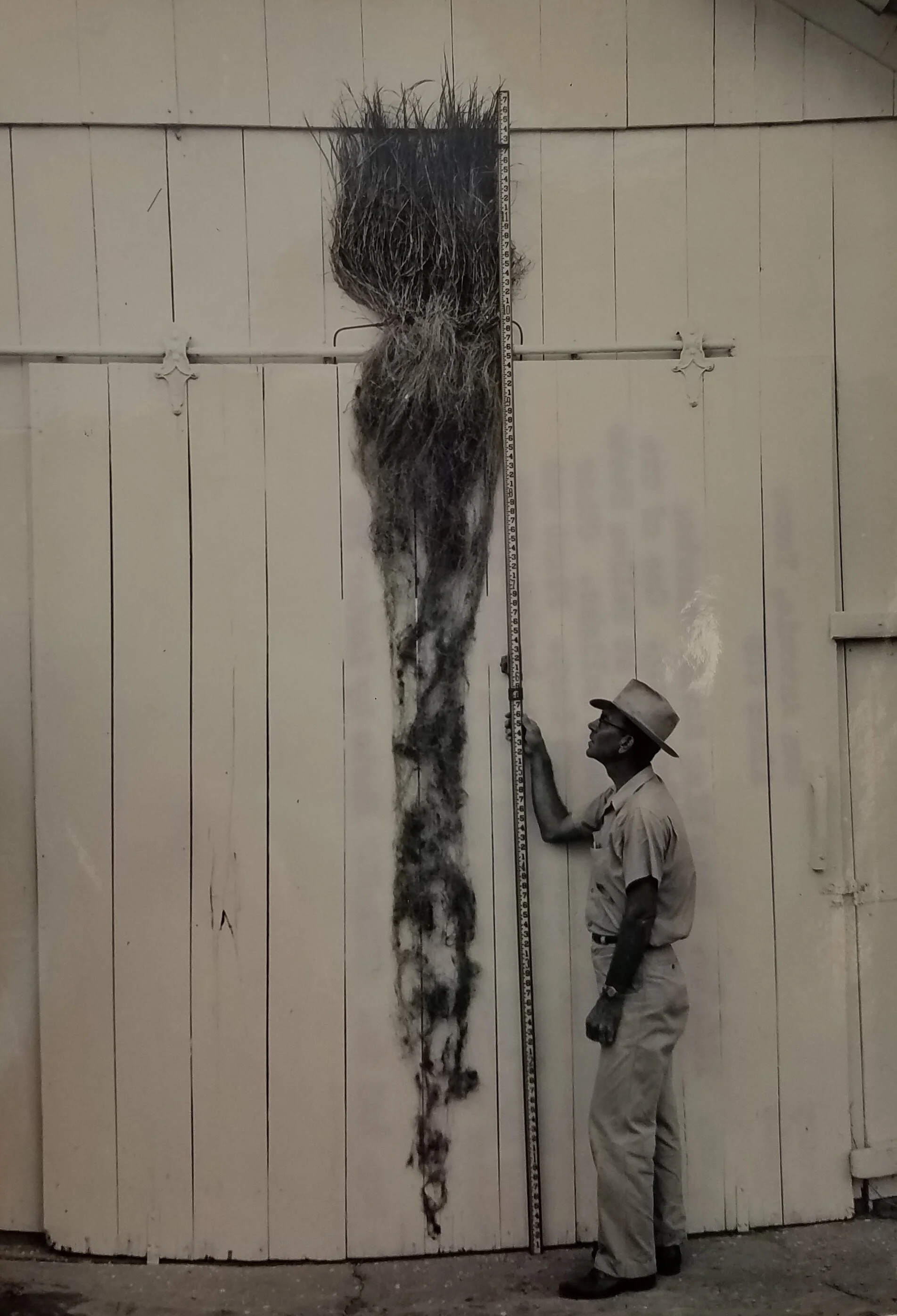
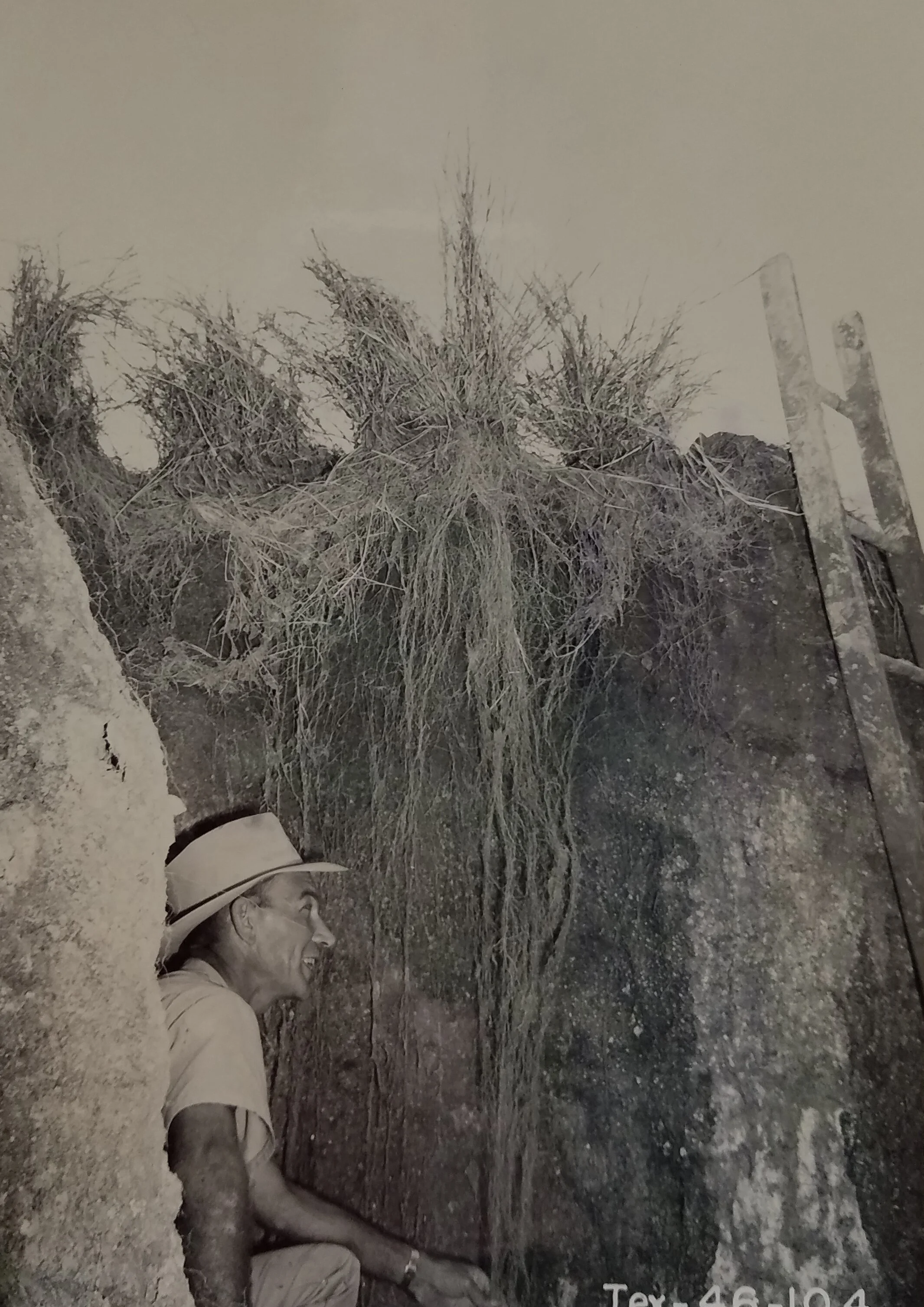
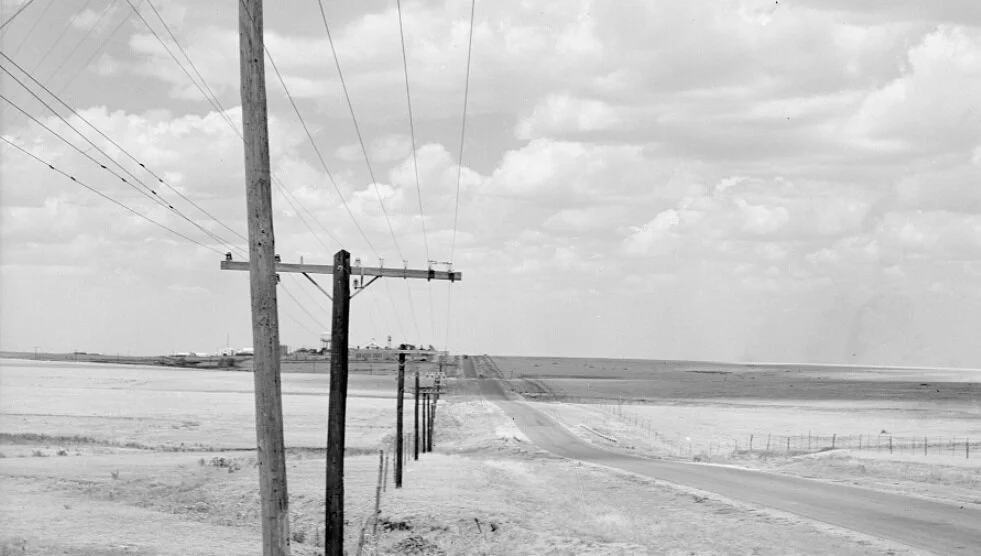
With the western U.S. facing a hotter and more drought-stressed future, these images ask us to look backward and forward at once: to see the Dust Bowl not only as history, but as a warning preserved in photographs, maps, records, and dust.